Factors to Consider When Choosing an Additive
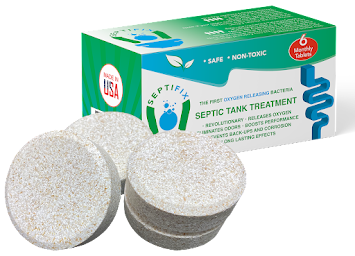
One Tablet Monthly, Less Worry
- Support a healthier tank by boosting aerobic bacteria activity
- Release oxygen to fight the source of hydrogen sulfide smells
- Contains 14 strains of aerobic bacteria to accelerate waste breakdown
When selecting an additive for your septic tank, take into account the specific needs of your system. Understanding how your septic tank operates can help you decide whether bacteria, enzymes, or a combination of both is best. Additionally, consider the frequency of maintenance and the type of waste commonly processed. Different additives serve various purposes, such as breaking down solids or deodorizing the tank, making it essential to match the product to your unique requirements.
Another important factor is the reputation and effectiveness of the brands available on the market. Research reviews and ratings to gauge users’ experiences with specific additives. Look for products that have been tested and proven to enhance septic system performance. It is also beneficial to examine the ingredients and ensure they are safe for residential use while being effective in maintaining a healthy septic environment.
Assessing Your Septic System Needs
Understanding the specific requirements of your septic system is essential for selecting the right additive. Factors such as the size of your tank, the number of occupants in your household, and the frequency of use all play a significant role in determining what type of additive will be most effective. Regular maintenance checkups should be part of your routine, allowing you to identify any underlying issues that may affect bacterial activity or overall system performance.
Additionally, consider the type of waste entering your septic system. For instance, homes that regularly dispose of grease, chemicals, or non-biodegradable materials may benefit from different additives compared to those using primarily organic waste. Evaluating these factors can help you choose an additive tailored to address your septic system’s unique challenges and ensure it operates optimally.
Popular Bacterial Additive Brands
A number of brands stand out in the bacterial additive market, known for their effectiveness and popularity among homeowners. Products such as Rid-X, Bio-Tab, and Septic Helper have garnered positive feedback for their ability to promote the growth of beneficial bacteria in septic tanks. These additives typically aim to enhance the natural breakdown of waste, improving the overall efficiency of the septic system.
Many of these brands offer products formulated for both regular maintenance and problem-solving applications. Rid-X, for example, provides a variety of options tailored for specific needs, whether it’s routine upkeep or tackling clogs. Bio-Tab is known for its easy-to-use tablet form, while Septic Helper features concentrated formulas that promise faster results. Homeowners often turn to these brands in hopes of maintaining a healthy septic system.
Features and Effectiveness of Leading Products
Leading bacterial additives are designed to enhance the natural breakdown of waste in septic systems. They typically contain specific strains of bacteria that are effective at decomposing organic materials. Many products offer a concentrated formula with millions of live bacteria per dose, which can boost the decomposition process significantly. These additives can help reduce sludge buildup, minimize odors, and improve overall system performance when used regularly.
When evaluating these products, effectiveness is often gauged by user reviews and independent testing. Some brands promote their additives as being effective in various conditions, while others focus on faster breakdown times. Features such as ease of application and eco-friendliness also play a critical role in consumer choice. Personal experiences and anecdotal evidence can vary, underscoring the importance of considering specific septic needs and individual preferences when selecting a leading bacterial additive.
Stop Septic Odors In Days
- Break down organic sludge, oils, grease, and toilet paper buildup
- Help cut down how often you need to pump the tank
- Treat the tank from the bottom up as tablets embed into the sludge layer
Enzyme Additive Brand Comparisons
Enzyme additives utilize specific enzymes to break down organic matter in septic systems. Many brands on the market offer unique formulations designed to enhance the breakdown process, often targeting specific waste types such as fats, oils, and grease. Some popular products include those claiming fast-acting results, while others emphasize environmentally friendly ingredients. Users should consider the concentration of enzymes in each product, as higher concentrations may yield more effective outcomes.
When comparing enzyme brands, it’s essential to analyze their effectiveness based on customer reviews and independent testing. Some products may boast quick results but lack the longevity required for ongoing maintenance. Additionally, price points vary significantly among competitors, making it crucial for consumers to weigh cost against performance. Opting for a reputable brand with a proven track record can help ensure that the chosen enzyme additive meets the specific needs of individual septic systems.
Analyzing Top Options in the Market
When comparing enzyme additives, several products stand out due to their unique formulations and effectiveness. One prominent option contains a blend of natural enzymes designed to break down organic waste. This product promises to enhance the overall performance of septic systems by promoting better waste digestion. Additionally, the application is straightforward, usually requiring a single dose per month, which appeals to homeowners looking for convenience alongside efficiency.
Another notable brand offers a concentrated enzyme formula that targets specific waste materials, such as fats, oils, and grease. Users have reported significant improvements in system performance and a reduction in unpleasant odors. The dual-action approach of this product, which includes both enzyme action and bacterial support, makes it an attractive choice for those with heavily loaded septic systems. Highlighting these options serves to inform homeowners seeking the best solutions for their septic maintenance needs.
FAQS
What is the difference between bacterial and enzyme septic tank additives?
Bacterial additives introduce live bacteria to the septic system to help break down waste, while enzyme additives contain specific enzymes that accelerate the decomposition process without necessarily adding bacteria.
How do I know which septic tank additive is best for my system?
Consider factors such as the age and condition of your septic system, the type of waste it processes, local regulations, and whether you prefer bacterial or enzyme-based solutions.
Are there any risks associated with using septic tank additives?
While most additives are safe when used as directed, overuse or misuse can disrupt the natural bacteria balance in your septic system or lead to the accumulation of unwanted substances.
How often should I use septic tank additives?
It depends on the product and your specific septic system needs. Generally, it is recommended to apply additives every 1 to 3 months, but always follow the manufacturer’s instructions for optimal results.
Can I use septic tank additives along with other treatments or maintenance practices?
Yes, septic tank additives can often be used alongside regular maintenance practices like pumping and inspecting your septic system. However, consult with a septic professional to ensure compatibility.
Related Links
septic tank additives reviews
Safe Septic Tank Additives: Red Flags, Labels, and Ingredients to Avoid
Septic Additive Comparison: Tablets vs Liquids vs Powders (Quick Guide)
Septic Tank Tablets Review: Pros, Cons, and What to Expect
Do Septic Enzymes Really Work? Real Results + Common Myths
Oxygen Septic Tank Treatment: What It Does for Odor and Sludge
Best Bacteria for Septic Tanks: What “Good Bacteria” Really Means
Septic Tank Enzyme Treatment: When It Works (and When It Doesn’t)
Bacterial Additives for Septic Tanks: Do They Help or Hurt?
A Cleaner Septic System, Naturally
- Break down organic sludge, oils, grease, and toilet paper buildup
- Support a healthier tank by boosting aerobic bacteria activity
- Support a cleaner, safer yard so family can enjoy the garden again