When to Call a Professional
One Tablet Monthly, Less Worry
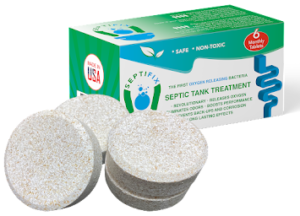
- Support a healthier tank by boosting aerobic bacteria activity
- Release oxygen to fight the source of hydrogen sulfide smells
- Contains 14 strains of aerobic bacteria to accelerate waste breakdown
Homeowners can often troubleshoot minor issues with their septic systems. Checking for blockages in the lines and ensuring that the tank is not too full are good first steps. Regular maintenance can prevent many problems from escalating. However, some situations require expert attention to avoid more significant issues and potential damage to the system.
Signs such as persistent odors, sewage backup in the home, or gurgling sounds in the plumbing indicate that a professional should assess the situation. Additionally, if the drainage field is saturated or pooling, it is crucial to seek help promptly. Ignoring these symptoms could lead to expensive repairs or health hazards, making it imperative to consult a qualified septic technician when serious concerns arise.
Recognizing Serious Issues
Signs of severe problems within a septic system often manifest as unusual odors, gurgling sounds, or water pooling around the tank or drain field. Homeowners may notice slow drains across multiple fixtures, indicating a potential blockage or failure within the system. Additionally, if waste begins to backflow into the home, immediate attention is warranted. These symptoms can escalate into more significant issues if not addressed promptly.
Ignoring the early signs of septic system distress can lead to environmental hazards and costly repairs. Persistent odors or leaks pose health risks, as they can contaminate groundwater and harm local ecosystems. Regular maintenance and monitoring can help prevent these serious issues, but any sudden changes in the system’s performance should be investigated quickly to mitigate any potential damage.
Impact of Household Products on Septic Systems
Everyday household products can significantly affect the efficiency of septic systems. Many common cleaners, laundry detergents, and even personal care items contain harsh chemicals that disrupt microbial activity. These microorganisms play a crucial role in breaking down waste within the tank. When such products enter the system, they can lead to imbalanced conditions, resulting in slower drainage and potential system failures.
Excessive use of antibacterial soaps and cleaners poses additional risks. These products aim to eliminate harmful bacteria, but they also target the beneficial bacteria necessary for proper septic function. Over time, an imbalance created by these chemicals can hinder the breakdown process, leading to clogs and backups. Homeowners should consider using biodegradable and septic-safe alternatives to maintain optimal performance of their systems.
Understanding Chemical Interactions
The chemicals found in many household products can significantly impact the microbial balance within a septic system. Items like bleach and antibacterial cleaners may effectively eliminate germs but can also disrupt the beneficial bacteria crucial for breaking down waste. When these bacteria are killed off, clogs and backups can occur, causing the system to function poorly.
It’s essential to be aware of what products are being introduced into the system. Although manufacturers often market their products as safe for septic systems, many contain harmful chemicals that can interfere with the natural processes. Regular use of more eco-friendly options can help maintain the delicate balance needed for efficient operation and long-term health of the septic tank.
Stop Septic Odors In Days
- Break down organic sludge, oils, grease, and toilet paper buildup
- Help cut down how often you need to pump the tank
- Treat the tank from the bottom up as tablets embed into the sludge layer
Seasonal Considerations for Septic Tank Performance
Weather conditions play a crucial role in the performance of septic tanks throughout the year. During heavy rainfall or snowmelt, excessive water can saturate the soil around the drainage field. This saturation can limit the system’s ability to absorb effluent properly, leading to backups and slow drainage. In colder months, freezing temperatures may cause pipes to freeze, obstructing flow and potentially damaging the system if not properly addressed.
In contrast, dry seasons can also impact septic efficiency. Prolonged drought may cause the ground to harden, impeding the natural absorption of wastewater. Regular maintenance and monitoring during these seasonal fluctuations can help mitigate issues and maintain system health. Homeowners should remain vigilant and make adjustments in water usage depending on the weather conditions to promote effective drainage and overall functionality of the septic system.
How Weather Affects Drainage
The performance of a septic system is significantly influenced by seasonal weather variations. During periods of heavy rainfall or melting snow, the ground around the septic tank can become saturated. This saturation leads to reduced permeability, causing the effluent to struggle with proper drainage. As a result, issues such as backups and slow drainage frequently occur, necessitating closer monitoring of the system.
Conversely, dry and hot spells can also impact septic functionality. In these conditions, the soil may become overly dry, causing it to harden and inhibit natural drainage processes. Without sufficient moisture, the bacteria responsible for breaking down waste can suffer, potentially leading to system inefficiencies. Homeowners should be vigilant during extreme weather conditions, ensuring their septic systems are functioning optimally and free from blockages.
FAQS
What are the common signs that my septic tank is not draining properly?
Common signs include slow drains, gurgling sounds in the plumbing, sewage backup in toilets or sinks, and unpleasant odors near the septic tank or drain field.
How often should I have my septic tank inspected?
It is generally recommended to have your septic tank inspected every 1 to 3 years, depending on usage and local regulations. Regular pumping every 3 to 5 years can also help prevent issues.
Can household products affect my septic tank performance?
Yes, certain household products, especially those containing harsh chemicals, can disrupt the balance of bacteria in the septic system, leading to poor drainage and potential system failure.
What should I do if I suspect my septic tank is full?
If you suspect your septic tank is full, avoid using water until it has been inspected. Contact a licensed septic service to have the tank pumped and checked for any other issues.
How can weather affect my septic tank’s drainage?
Heavy rain or snowmelt can saturate the soil around the septic system, leading to poor drainage. Conversely, drought conditions can dry out the soil, affecting the system’s ability to absorb wastewater properly.
Related Links
septic tank solution
When to Call a Septic Professional: The Red Flags You Shouldn’t Ignore
Septic Alarm Beeping: What It Means and What to Do Immediately
Wet Spots Near Drain Field: Is Your Septic System Failing?
Septic Tank High Water Level: Symptoms, Causes, and Next Steps
Septic Tank Gurgling Sounds: What It Means and How to Fix It
Septic Tank Odor Solution: Step-by-Step Troubleshooting Guide
Septic Tank Backup Solution: What to Do Now (and What Not to Do)
Septic Tank Slow Drain Solution: Causes, Fixes, and What to Try First
A Cleaner Septic System, Naturally
- Break down organic sludge, oils, grease, and toilet paper buildup
- Support a healthier tank by boosting aerobic bacteria activity
- Support a cleaner, safer yard so family can enjoy the garden again