Maintenance Tips for a Healthy Septic System
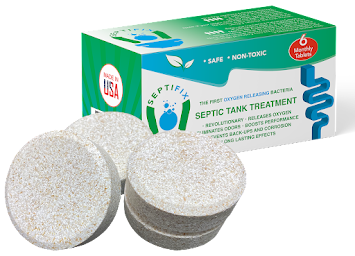
One Tablet Monthly, Less Worry
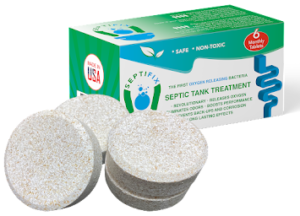
- Support a healthier tank by boosting aerobic bacteria activity
- Release oxygen to fight the source of hydrogen sulfide smells
- Contains 14 strains of aerobic bacteria to accelerate waste breakdown
Regular maintenance of a septic system is crucial for its longevity and efficiency. Homeowners should schedule routine inspections every three to five years. These inspections allow professionals to check the tank’s levels and assess the overall health of the system. Pumping the septic tank is essential to remove accumulated sludge, preventing it from overflowing into the drain field. Following a consistent pumping schedule helps avert potential complications and costly repairs in the future.
Proper water usage is equally important for maintaining system health. Minimizing the amount of water entering the system during peak times can reduce strain and avoid backups. Distributing laundry loads throughout the week instead of using a washing machine all at once is a simple yet effective strategy. Additionally, using water-efficient fixtures can help reduce overall usage. Keeping a detailed log of maintenance activities and water use helps identify patterns that may indicate underlying issues.
Preventative Measures to Avoid Backups
Regular maintenance is crucial in ensuring your septic system functions optimally. Schedule routine inspections every three to five years, allowing a professional to check for any issues that could lead to backups. Pumping the tank periodically also helps prevent solid waste buildup, which can cause blockages over time. Keeping accurate records of these maintenance activities makes it easy to track your system’s health.
Mindful usage of your septic system plays an important role in preventing backups. Avoid flushing non-biodegradable items, such as paper towels and feminine hygiene products. Additionally, be cautious about overloading the system with water. Spreading out laundry and dishwashing tasks throughout the week allows the system to process waste more effectively, reducing the risk of an overflow. Proper landscaping can also support your system; planting trees and shrubs away from drain fields helps avoid root intrusion.
When to Call a Professional
Recognizing the signs of a serious backup is crucial for maintaining the integrity of your septic system. Gurgling sounds in your drains, slow drainage in multiple fixtures, and unpleasant odors around your yard can be initial indicators that professional assistance is needed. Additionally, persistent wet spots or lush patches of grass over the drain field may signal a malfunctioning system. Waiting too long to address these signs can lead to more extensive damage and costly repairs.
If you experience a backup that affects your home’s plumbing, it’s wise to reach out to a septic service professional immediately. Attempting to resolve the issue without proper knowledge can complicate matters further. Professionals possess the necessary tools and experience to diagnose the problem accurately and implement a solution. This approach not only ensures your system gets the attention it needs but also helps avoid potential health hazards associated with septic failures.
Recognizing Severe Backup Situations
Signs of a severe backup often manifest through a noticeable increase in unpleasant odors around the property. Homeowners may also observe water pooling in their yard or near the septic tank. These issues can indicate that the system is overwhelmed. Gurgling sounds in the plumbing fixtures are another key sign of trouble. Such noises suggest that sewage is unable to flow properly, which may lead to a more serious problem if not addressed promptly.
When wastewater begins to back up into sinks, bathtubs, or toilets, it points to a significant problem that requires immediate attention. This not only creates an unsanitary environment but also poses risks to health and home infrastructure. If the situation worsens, water may backup in multiple fixtures at once. A frequent inability to flush or drain effectively should never be ignored. Recognizing these indicators early can help to prevent extensive damage and costly repairs.
Stop Septic Odors In Days
- Break down organic sludge, oils, grease, and toilet paper buildup
- Help cut down how often you need to pump the tank
- Treat the tank from the bottom up as tablets embed into the sludge layer
What Not to Use in Your Septic System
Certain substances can severely disrupt the balance of beneficial bacteria in a septic system. Common household products like bleach, harsh chemicals, and antibacterial soaps may effectively clean surfaces, but they can jeopardize the microbial ecosystem essential for breaking down waste. Additionally, flushing items such as wipes, feminine hygiene products, and paper towels may cause clogs and lead to costly repairs.
Food waste poses another significant threat. While minor food scraps can be broken down, larger items such as bones, grease, and fibrous materials can accumulate in the tank. These components can create blockages and lead to inefficiencies in waste treatment. Regularly monitoring what goes into the system will help maintain its health and functionality.
Common Mistakes to Avoid
Many homeowners underestimate the impact of what they flush down their toilets. Items like paper towels, sanitary products, and wipes can disrupt the balance of your septic system. Even those products labeled as “flushable” might not break down well in the tank. Their presence can lead to clogs and backups, creating significant issues that require professional intervention.
Another frequent mistake involves neglecting regular maintenance. Skipping routine pumping and inspections can result in sludge buildup that damages the system. Homeowners often wait until they notice signs of failure, which can lead to costly repairs or replacements. Staying proactive with maintenance helps ensure the system functions properly and remains in good condition.
FAQS
What are the best treatments for septic system backups?
The best treatments for septic system backups include enzyme-based treatments and natural bacteria products that help break down solids and improve system efficiency. Regular maintenance, including pumping the tank every 3-5 years, is also crucial.
How can I prevent septic backups from occurring?
To prevent septic backups, practice good maintenance by avoiding flushing non-biodegradable items, using water efficiently, and maintaining proper landscaping to prevent roots from invading the system. Regular inspections and pumping can further enhance system health.
When should I call a professional for septic issues?
You should call a professional if you notice persistent slow drains, gurgling sounds in your plumbing, sewage odors, or if you experience sewage backups in your home. Timely intervention can prevent more severe issues.
What are some severe backup situations to be aware of?
Severe backup situations include multiple drains backing up simultaneously, sewage rising in the yard, or foul odors permeating your home. These scenarios typically indicate significant blockages or system failures requiring professional attention.
What products should I avoid using in my septic system?
Avoid using harsh chemicals, antibacterial soaps, and non-biodegradable products in your septic system, as these can disrupt the natural bacterial balance and lead to system failure. Always opt for septic-safe products.
Related Links
strongest septic tank treatment
Fast-Acting Septic Tank Treatment: What “Fast” Can Realistically Mean
Septic Treatment After Bleach: What to Do If You Over-Sanitized
Septic Treatment After Antibiotics: How to Support Recovery Safely
Septic Treatment for Heavy Use Homes: Large Families, Guests, Rentals
Enzyme vs Bacteria Septic Treatment: What’s the Real Difference?
Septic Tablets vs Liquid Treatments: Which Works Best for Your Problem?
Aerobic Bacteria Septic Treatment: Who Needs It and Why
Oxygen-Based Septic Treatment: Does It Work Better for Odors?
A Cleaner Septic System, Naturally
- Break down organic sludge, oils, grease, and toilet paper buildup
- Support a healthier tank by boosting aerobic bacteria activity
- Support a cleaner, safer yard so family can enjoy the garden again