Adapting to Seasonal Guests
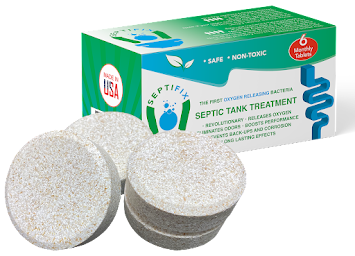
One Tablet Monthly, Less Worry
- Support a healthier tank by boosting aerobic bacteria activity
- Release oxygen to fight the source of hydrogen sulfide smells
- Contains 14 strains of aerobic bacteria to accelerate waste breakdown
Seasonal guests can put significant pressure on a home’s septic system. With increased occupancy, the volume of wastewater generated often rises, which can lead to potential system overloads if not managed properly. Understanding the differences in usage patterns during peak seasons helps homeowners prepare their systems for the added strain. Regular maintenance is crucial, ensuring that the septic tank is pumped and inspected before the influx of guests to minimize the risk of malfunctions.
Implementing some practical strategies can also ease the burden on the septic system. Encouraging guests to be mindful of their water usage can significantly impact overall demand. Simple measures, such as staggering showers and avoiding heavy laundry loads, can help manage wastewater more effectively. Educating visitors about the septic system’s limitations fosters a cooperative environment, ensuring everyone enjoys their stay without compromising the home’s waste management capabilities.
Strategies for Managing Increased Load
Managing an increased load on septic systems requires proactive strategies that can help minimize strain during peak usage times. Staggering showers, laundry, and dishwasher cycles can significantly reduce the volume of water entering the system at any one time. Encouraging family members and guests to use water more judiciously, such as taking shorter showers and only running full loads in appliances, can be highly effective.
Investing in regular maintenance is also crucial for ensuring the system operates efficiently under higher demands. Regular pumping of the septic tank helps prevent backups and clogs, which can lead to costly repairs. Additionally, monitoring the drains and plumbing for signs of distress allows for early intervention, further safeguarding the system’s functionality during heavy use periods.
Enhancing System Efficiency
Homeowners can implement a variety of strategies to improve the efficiency of their septic systems. Regular maintenance plays a crucial role in this process. Routine inspections and pumping help prevent clogs and backups, ensuring that the system operates at its best. Homeowners should also be mindful of their water usage. Excessive water flow can overwhelm the system, leading to breakdowns and inefficiencies.
Investing in water-saving devices, such as low-flow faucets and showerheads, can significantly reduce overall water consumption. These devices limit the amount of water entering the septic system, allowing it to manage waste more effectively. In addition, replacing older appliances with high-efficiency models contributes to decreased water use. This not only enhances system efficiency but also promotes environmental sustainability by reducing groundwater contamination risks.
Water-Saving Devices for Households
Implementing water-saving devices in the home can significantly heighten the efficiency of a septic system. Low-flow faucets and showerheads minimize water usage without sacrificing performance. These devices reduce the overall volume of wastewater entering the septic tank, which is particularly beneficial for homes experiencing heavy usage. Dual-flush toilets offer another practical solution, allowing users to select the appropriate flush volume for solid or liquid waste. This feature can drastically decrease daily water consumption, which is essential for large families or households accommodating guests.
Additionally, integrating smart irrigation systems and rain barrels can further optimize water efficiency. Smart irrigation controllers automatically adjust watering schedules based on weather conditions, thus reducing the strain on the septic system. Collecting rainwater for landscaping and gardening needs also contributes to conserving potable water. By adopting these water-saving solutions, households can not only reduce their environmental footprint but also ensure their septic systems operate effectively, even during periods of high demand.
Stop Septic Odors In Days
- Break down organic sludge, oils, grease, and toilet paper buildup
- Help cut down how often you need to pump the tank
- Treat the tank from the bottom up as tablets embed into the sludge layer
Common Misconceptions about Septic Systems
Many homeowners believe that being cautious about their septic system is unnecessary as long as they do not see any immediate issues. This misconception can lead to neglect of essential maintenance tasks. An unseen problem can escalate quickly, resulting in costly repairs and potential environmental hazards.
Another common myth suggests that all types of waste can be disposed of in a septic system without consequences. Some individuals mistakenly think that flushing items such as paper towels or hygiene products is acceptable. These materials do not break down easily and can contribute to clogs and system failures. Understanding what is safe to dispose of helps in maintaining the longevity of the system.
Myths Surrounding Waste Disposal
Many homeowners harbor misconceptions about what can be safely disposed of in a septic system. One prevalent myth is that powerful garbage disposals can be used without concern for the system’s capacity or health. In reality, frequent disposal of food waste can lead to clogs and increased solids buildup in the septic tank, requiring more frequent pumping and ultimately shortening the lifespan of the system.
Another common belief is that flushing certain items, like wipes or feminine hygiene products, is acceptable as long as they are labeled “flushable.” This misunderstanding can lead to significant problems. These items do not break down like toilet paper, causing blockages in pipes and increasing maintenance costs. Educating homeowners about proper waste disposal practices is essential to ensure the longevity and efficiency of septic systems.
FAQS
What is the best way to prepare my septic system for seasonal guests?
To prepare your septic system for seasonal guests, consider having your system inspected and pumped before the busy season. Additionally, educate your guests about water conservation and the importance of not flushing inappropriate items.
How can I manage an increased load on my septic system during holidays?
To manage increased load during holidays, stagger showers and laundry, avoid excessive toilet use, and consider limiting dishwashing to when the system is less strained. You can also use a temporary composting toilet for guests to reduce the burden on your septic system.
What are some effective water-saving devices for households with heavy septic use?
Effective water-saving devices include low-flow faucets, showerheads, and toilets, as well as greywater recycling systems. These devices help reduce water usage, minimizing the load on your septic system.
Are there any common misconceptions about septic systems that homeowners should be aware of?
Yes, many people mistakenly believe that all waste can be flushed down the toilet or that septic systems don’t require maintenance. It’s essential to understand that only biodegradable waste should go into the system and regular pumping and inspections are necessary for optimal performance.
What should I avoid flushing down a septic system?
You should avoid flushing non-biodegradable items such as wipes, sanitary products, dental floss, and certain cleaning chemicals. These can clog the system and lead to costly repairs and failures.
Related Links
strongest septic tank treatment
Fast-Acting Septic Tank Treatment: What “Fast” Can Realistically Mean
Septic Treatment After Bleach: What to Do If You Over-Sanitized
Septic Treatment After Antibiotics: How to Support Recovery Safely
Best Septic Treatment for Backups: What Helps (and What Won’t)
Enzyme vs Bacteria Septic Treatment: What’s the Real Difference?
Septic Tablets vs Liquid Treatments: Which Works Best for Your Problem?
Aerobic Bacteria Septic Treatment: Who Needs It and Why
Oxygen-Based Septic Treatment: Does It Work Better for Odors?
A Cleaner Septic System, Naturally
- Break down organic sludge, oils, grease, and toilet paper buildup
- Support a healthier tank by boosting aerobic bacteria activity
- Support a cleaner, safer yard so family can enjoy the garden again