Preventative Measures for Future Use of Cleaning Products
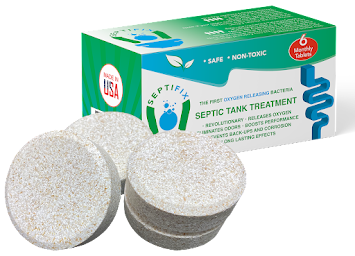
One Tablet Monthly, Less Worry
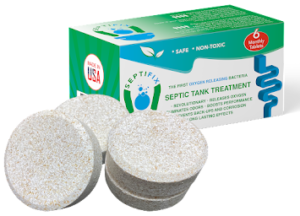
- Support a healthier tank by boosting aerobic bacteria activity
- Release oxygen to fight the source of hydrogen sulfide smells
- Contains 14 strains of aerobic bacteria to accelerate waste breakdown
Using cleaning products wisely can significantly reduce the risk of damaging your septic system. Always read labels carefully to understand the chemical composition and potential effects on both your plumbing and septic tank. Opt for smaller quantities if you choose products that contain harsh chemicals like bleach. This minimizes the impact on beneficial bacteria essential for breaking down waste.
Incorporating eco-friendly cleaning alternatives not only protects your septic system but also ensures a safer environment for your home. Baking soda, vinegar, and lemon juice can effectively clean surfaces without harming your plumbing. Educating other household members about septic-friendly practices reinforces proper usage of cleaning products and helps maintain the integrity of the system over time.
Safe Alternatives to Bleach for Household Cleaning
When looking for effective cleaning solutions, many people seek alternatives that retain strong disinfecting properties without the risks associated with bleach. Vinegar is a popular choice due to its natural acidity, making it effective against a range of germs and bacteria. It can be used for surface cleaning and deodorizing, providing a safer option for homes with septic systems. Baking soda also serves as a gentle abrasive cleaner, helping to remove stains and odors while being friendly to plumbing.
Another viable alternative is hydrogen peroxide, known for its powerful disinfectant qualities. It breaks down into water and oxygen, ensuring no harmful residues remain. Essential oils, like tea tree or lavender, offer not only pleasing scents but also antimicrobial properties, making them excellent additions to homemade cleaning products. By opting for these alternatives, households can maintain cleanliness while being considerate of their septic systems.
When to Call a Professional for Assistance
Homeowners should remain vigilant for signs indicating that professional assistance may be necessary. Sudden changes in drainage patterns, such as slow drains or backups, can signal an underlying issue. Persistent odors near the septic system could also be a red flag. If unusual bubbling or gurgling sounds emerge from plumbing fixtures, these symptoms warrant immediate attention.
Engaging a septic service professional can prevent further damage and costs. They possess the expertise to diagnose complex issues that may not be apparent to the average homeowner. Regular inspections and evaluations of your septic system are crucial for maintaining optimal performance. If extensive cleaning or repairs are needed, these experts will ensure that proper techniques are applied for the best outcome.
Signs Indicating Professional Help Is Needed
Unusual odors around septic system areas can indicate underlying issues. A persistent sewer-like smell may suggest that harmful chemicals disrupted the bacteria balance in the tank. This imbalance can prevent the septic system from functioning properly, leading to potential backups or leaks. Residents should also be on the lookout for slow draining fixtures or standing water near the drain field. These signs often point to more serious problems that require immediate attention.
Frequent clogs or frequent backups in household plumbing may signal that the septic system has been compromised. If simple remedies do not resolve these issues, seeking professional help is essential. Unexplained changes in the water level in the tank or unusual patches of lush vegetation above the drain field may also require a professional evaluation. Addressing these signs early can prevent costly repairs and ensure the longevity of the septic system.
Stop Septic Odors In Days
- Break down organic sludge, oils, grease, and toilet paper buildup
- Help cut down how often you need to pump the tank
- Treat the tank from the bottom up as tablets embed into the sludge layer
Long-term Care for Your Septic System
Proper long-term care for a septic system can significantly extend its lifespan and performance. Regular inspections can help identify issues before they escalate. Homeowners should schedule these inspections at least every three years. Professional pump-outs are advisable every three to five years, depending on the system’s size and the household’s water usage. Keeping accurate records of maintenance activities allows for better planning and can highlight potential problems over time.
Maintaining a balanced diet of beneficial bacteria is crucial for the system’s health. This can often be accomplished by avoiding harsh chemicals that can disrupt the microbial environment. Additionally, ensuring that water is conserved helps prevent system overload, which can lead to costly repairs. Simple practices, such as using water-efficient fixtures and spreading out washing machine loads, contribute to optimal septic performance. Regular education on septic care can empower homeowners to make informed decisions regarding their systems.
Regular Maintenance Tips for Optimal Performance
Maintaining a septic system is crucial for its performance and longevity. Regular inspections should be conducted at least once a year to identify any early signs of trouble. During these inspections, checking for leaks, unusual odors, or slow drainage can provide vital information about the system’s condition. It is also essential to monitor the tank’s sludge and scum levels, as this ensures timely pumping before overflow occurs.
Proper water usage plays a significant role in the health of a septic system. Spreading out laundry loads throughout the week rather than doing them all at once can prevent overwhelming the system. Using water-efficient appliances can also reduce strain on the septic tank. Furthermore, being conscious of what goes down the drains helps maintain the balance of bacteria necessary for breaking down waste effectively.
FAQS
What should I do immediately after using bleach in my septic system?
If you’ve used bleach, limit your water usage to avoid overwhelming the septic system and allow the bleach to dissipate. It’s advisable to monitor the system closely for any signs of distress.
How can I determine if my septic system has been affected by bleach?
Look for signs such as slow drains, foul odors, or pooling water around the septic tank. If you notice these issues, you may need to take further action.
Are there safe alternatives to bleach for cleaning that won’t harm my septic system?
Yes, some safe alternatives to bleach include vinegar, baking soda, and hydrogen peroxide. These products are less harsh and won’t disturb the bacterial balance in your septic system.
When should I consider calling a professional for septic system issues?
If you observe persistent problems such as backups, strong odors, or visible signs of failure, it’s time to call a professional for a thorough assessment and potential remediation.
What are some long-term care tips for maintaining my septic system?
Regular pumping, avoiding flushing non-biodegradable items, and being cautious with chemical cleaners can help ensure optimal performance of your septic system over time.
Related Links
strongest septic tank treatment
Fast-Acting Septic Tank Treatment: What “Fast” Can Realistically Mean
Septic Treatment After Antibiotics: How to Support Recovery Safely
Septic Treatment for Heavy Use Homes: Large Families, Guests, Rentals
Best Septic Treatment for Backups: What Helps (and What Won’t)
Enzyme vs Bacteria Septic Treatment: What’s the Real Difference?
Septic Tablets vs Liquid Treatments: Which Works Best for Your Problem?
Aerobic Bacteria Septic Treatment: Who Needs It and Why
Oxygen-Based Septic Treatment: Does It Work Better for Odors?
A Cleaner Septic System, Naturally
- Break down organic sludge, oils, grease, and toilet paper buildup
- Support a healthier tank by boosting aerobic bacteria activity
- Support a cleaner, safer yard so family can enjoy the garden again