Environmental Impact of Bacterial Treatments
One Tablet Monthly, Less Worry
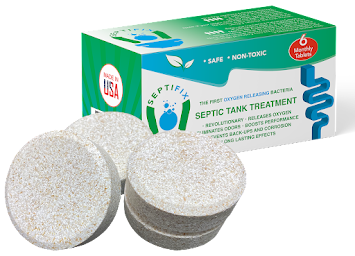
- Support a healthier tank by boosting aerobic bacteria activity
- Release oxygen to fight the source of hydrogen sulfide smells
- Contains 14 strains of aerobic bacteria to accelerate waste breakdown
The use of bacterial treatments in septic systems can significantly influence local ecosystems. These treatments rely on live bacteria to break down waste, which can lead to an increase in microbial activity within the environment. While these bacteria can effectively decompose organic material, their unchecked proliferation may disrupt natural balances, posing risks to local flora and fauna. The introduction of non-native bacterial strains could further exacerbate these disturbances, potentially harming native species and altering existing habitats.
Moreover, bacterial treatments often require careful management to mitigate potential negative impacts. If not properly monitored, they can contribute to nutrient overload in surrounding water bodies, leading to issues such as algal blooms and oxygen depletion. This environmental degradation can endanger aquatic life and compromise water quality. Adopting strategic application methods and choosing appropriate bacterial formulations can help minimize these risks, ensuring that treatments remain effective without harming the ecosystem.
Sustainability and Environmental Considerations
When comparing enzyme and bacterial septic treatments, sustainability often emerges as a crucial factor. Both options have their strengths and weaknesses, particularly in terms of their impact on the environment. Bacterial treatments may utilize naturally occurring microorganisms that break down waste, reducing reliance on synthetic chemicals. Enzymatic treatments, on the other hand, can enhance the breakdown process by introducing specific enzymes, potentially leading to a more efficient decomposition of organic matter.
Environmental considerations play a vital role in determining the suitability of each option. While bacterial solutions generally promote a balanced ecosystem in septic systems, they may occasionally lead to the overpopulation of certain bacteria, which can disrupt local ecosystems and contribute to water quality issues. Enzymatic treatments tend to be more environmentally neutral, posing fewer risks to surrounding flora and fauna. Ultimately, the choice between these treatments should take into account their respective environmental footprints and the specific needs of the septic system in question.
Cost Considerations for Septic Treatments
The financial implications of septic treatments require careful evaluation. Enzyme treatments often come with lower upfront costs due to their ease of application and the reduced need for frequent maintenance. Homeowners may find these options appealing, especially if they aim to minimize immediate expenses.
On the other hand, bacterial treatments may entail higher initial costs. However, their effectiveness in breaking down waste can lead to savings over time through reduced pumping frequency and improved system performance. Long-term savings should be weighed against the initial investment to determine the most economical choice for each situation.
Analyzing Long-Term Financial Implications
The financial implications of choosing between enzyme and bacterial septic treatments extend beyond the initial cost. Enzymatic solutions often require less frequent applications, which means lower long-term expenditures for homeowners. However, the effectiveness of these treatments can vary depending on the specific circumstances and types of waste they are addressing. In contrast, while bacterial treatments may demand more regular application, they often lead to quicker breakdown of organic matter, potentially resulting in better long-term efficiency for certain systems.
Investing in a treatment that aligns with the specific needs of a septic system may yield significant savings over time. For instance, if a household frequently encounters issues related to grease buildup or solids accumulation, bacterial treatments might prove to be more cost-effective despite higher upfront costs. Homeowners should consider potential maintenance costs, system failures, and the impact on property value when assessing which option provides the best financial return throughout the lifespan of the septic system.
Stop Septic Odors In Days
- Break down organic sludge, oils, grease, and toilet paper buildup
- Help cut down how often you need to pump the tank
- Treat the tank from the bottom up as tablets embed into the sludge layer
Effectiveness of Septic Treatments Over Time
The effectiveness of septic treatments can vary significantly depending on whether enzymes or bacteria are used. Enzymatic treatments often act quickly, breaking down organic waste and improving the liquefaction process. However, their long-term efficacy may be limited as enzymes generally work best under specific conditions, including temperature and pH levels. Bacterial treatments, on the other hand, can provide more sustainable results over time. The bacteria continue to reproduce and thrive in the septic system, which helps maintain a consistent breakdown of waste when conditions are favorable.
Several factors influence the long-term performance of these treatments. The health and size of the microbial population in bacterial solutions contribute to their ability to adapt and overcome fluctuations in waste loads. Maintenance practices, such as regular pumping and monitoring, can further enhance the effectiveness of both treatments. In contrast, enzymes might require more frequent applications to ensure continued performance, leading to higher long-term costs. Understanding the specific needs of a septic system can help inform the choice between enzymes and bacteria for ongoing waste management.
Longevity of Results
The effectiveness of septic treatments can vary significantly over time, depending on the method employed. Enzymes work to enhance the breakdown of organic materials in the septic system. However, their results may not be as long-lasting as those achieved through bacterial treatments. Bacteria are living organisms that continue to thrive and reproduce within the septic environment, facilitating ongoing decomposition processes. This gives bacterial treatments a potential edge regarding sustained effectiveness over extended periods.
Variability in environmental factors can also impact the longevity of results produced by either treatment. Conditions such as temperature, pH levels, and the volume of waste can influence how well enzymes or bacteria perform. While enzymes may provide a quick boost in breaking down specific materials, they often lack the ability to maintain consistent effectiveness over time. In contrast, bacterial treatments tend to offer a more adaptive approach, establishing a balance in the ecosystem of the septic system for prolonged performance that meets the demands of ongoing waste input.
FAQS
What is the main difference between enzyme and bacteria septic treatments?
The main difference lies in their composition and function; enzyme treatments use natural enzymes to break down waste, while bacterial treatments introduce live bacteria to digest solid waste and organic materials.
Are bacterial septic treatments better for the environment?
Bacterial treatments can be more environmentally friendly as they harness natural processes and can improve soil quality, but their impact varies based on specific formulations and local ecosystems.
How do the costs of enzyme and bacteria septic treatments compare?
Enzyme treatments typically have a lower initial cost, but bacterial treatments may provide more long-term savings due to their effectiveness in maintaining septic systems.
How long do the effects of enzyme and bacteria treatments last?
The longevity of results can vary; enzyme treatments may require more frequent applications, while bacterial treatments often provide longer-lasting effects by establishing a healthy balance of bacteria in the septic system.
Can I use both enzyme and bacteria treatments together?
Yes, using both can be beneficial, as enzymes can help break down waste while bacteria can enhance the decomposition process, but it’s advisable to consult with a septic system professional for the best approach.
Related Links
strongest septic tank treatment
Fast-Acting Septic Tank Treatment: What “Fast” Can Realistically Mean
Septic Treatment After Bleach: What to Do If You Over-Sanitized
Septic Treatment After Antibiotics: How to Support Recovery Safely
Septic Treatment for Heavy Use Homes: Large Families, Guests, Rentals
Best Septic Treatment for Backups: What Helps (and What Won’t)
Septic Tablets vs Liquid Treatments: Which Works Best for Your Problem?
Aerobic Bacteria Septic Treatment: Who Needs It and Why
Oxygen-Based Septic Treatment: Does It Work Better for Odors?
A Cleaner Septic System, Naturally
- Break down organic sludge, oils, grease, and toilet paper buildup
- Support a healthier tank by boosting aerobic bacteria activity
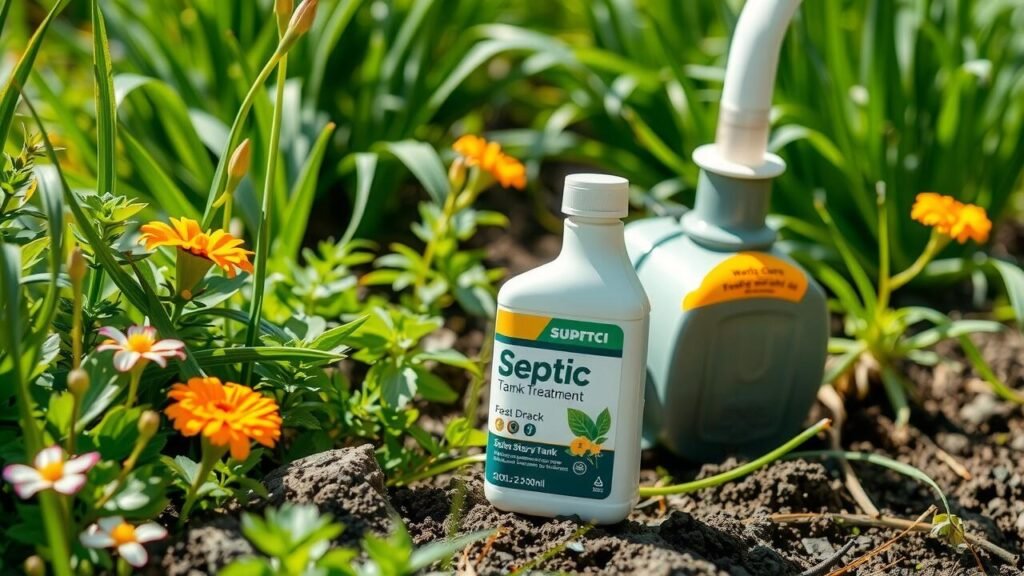
- Support a cleaner, safer yard so family can enjoy the garden again