Proper Drainage Techniques
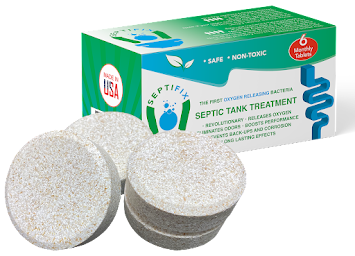
One Tablet Monthly, Less Worry
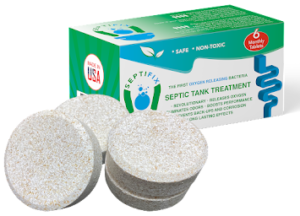
- Support a healthier tank by boosting aerobic bacteria activity
- Release oxygen to fight the source of hydrogen sulfide smells
- Contains 14 strains of aerobic bacteria to accelerate waste breakdown
Effective drainage is essential for maintaining a healthy septic system. Ensure that rainwater and surface runoff are directed away from the septic tank and drain field. Establishing proper gutters and downspouts can help manage excess water. Utilizing landscaping techniques, such as grading the yard to slope away from the system, minimizes the risk of water pooling near crucial components. Avoid planting trees or large shrubs close to these areas, as their roots may infiltrate and disrupt drainage.
Regular inspections of drainage systems can reveal potential issues early. Clear any blockages in ditches and culverts to promote optimal flow. Maintaining the vegetation around the area also enhances drainage, as certain grasses can absorb excess water effectively. Keep the pathways around the septic system free of debris that could obstruct water flow. Implementing these techniques fosters a more stable environment for your septic system and reduces the likelihood of complications arising from poor drainage.
How to Maintain Your Drain Field
Regular inspection and maintenance of the drain field plays a crucial role in ensuring the efficiency of your septic system. Begin by checking for signs of standing water or wet spots, which may indicate system overload or failure. Keeping vegetation away from the area is important. Roots from trees and large plants can intrude into the drainage system, leading to blockages and complications. Consider planting grass or shallow-rooted plants to help stabilize the soil and absorb excess water while preventing damage to the system.
It’s also beneficial to maintain proper surface drainage around the area to avoid excess water pooling in the drain field. Ensure that downspouts, driveways, and other surfaces direct water away from the septic system. Routine pumping of the tank can prevent solids from reaching the drain field and creating issues. Inform family members about the importance of protecting the drain field to maintain the overall health of the septic system. Awareness can lead to better habits and proactive monitoring of the area.
The Importance of Water Conservation
Water conservation plays a crucial role in maintaining a healthy septic system. Reducing overall water usage can significantly alleviate stress on the system and help to prevent costly repairs. Excess water can lead to system overload, prompting the need for expensive pumping services and repairs. By employing simple conservation techniques, homeowners can enhance the longevity of their septic systems while also lowering utility bills.
Implementing water-saving measures can be both practical and beneficial. Simple changes, such as fixing leaks, installing low-flow fixtures, and using water-efficient appliances, can make a noticeable difference in water consumption. Encouraging family members to be mindful of their water use can contribute to a more sustainable household. These practices not only protect the septic system but also promote environmental stewardship within the community.
Tips for Reducing Water Usage
Simple adjustments in daily routines can significantly lower water consumption. Fixing leaky faucets and toilets should be a top priority for homeowners. Replacing old fixtures with low-flow alternatives can also make a considerable difference. Taking shorter showers and turning off the tap while brushing teeth help conserve water effectively.
Utilizing appliances wisely is crucial in reducing water use as well. Running dishwashers and washing machines only with full loads maximizes efficiency. Collecting rainwater for landscaping and outdoor cleaning offers an eco-friendly solution. Additionally, mindful gardening practices, such as choosing drought-resistant plants, minimize the need for excessive watering.
Stop Septic Odors In Days
- Break down organic sludge, oils, grease, and toilet paper buildup
- Help cut down how often you need to pump the tank
- Treat the tank from the bottom up as tablets embed into the sludge layer
Educating the Household on Septic Health
Understanding septic health is crucial for maintaining a functional system within the household. Educating all family members about proper practices can prevent issues that may arise from negligence. This education should encompass the significance of what can and cannot be flushed down the toilets and drained through sinks. Regularly discussing the role of the septic system will foster a greater appreciation for its maintenance and longevity.
Creating a family awareness plan can further solidify this education. Designate times to discuss septic system care, providing insights into routine checks and upkeep. Engaging children and adults in hands-on activities, such as monitoring water usage or identifying potential warning signs, can enhance their understanding. Over time, fostering a culture of awareness will lead to better habits, resulting in fewer problems and reduced repair costs.
Creating a Family Awareness Plan
Establishing a family awareness plan for septic system health is essential for maintaining a well-functioning system. Start by educating all household members about the significance of the septic tank, explaining how its proper operation prevents damage and costly repairs. Highlight the dos and don’ts of septic maintenance, such as avoiding the disposal of non-biodegradable items and the importance of regular pumping intervals. Regular discussions can reinforce this knowledge and ensure that everyone plays a role in protecting the system.
Creating a schedule for periodic family meetings can help keep the topic of septic health at the forefront. Assign age-appropriate responsibilities to each family member, allowing everyone to contribute to the maintenance efforts. A simple checklist of septic-safe practices can be posted in common areas as a reminder. Engaging children in the learning process can foster a sense of responsibility and care, turning them into advocates for septic health as they grow.
FAQS
What is a natural septic treatment routine?
A natural septic treatment routine involves regular maintenance and practices that promote the health of a septic system, utilizing methods that minimize environmental impact while preventing issues.
Why is proper drainage important for my septic system?
Proper drainage ensures that wastewater is efficiently directed away from your home and into the drain field, helping to prevent backups and over-saturation that can lead to system failure.
How can I maintain my drain field effectively?
To maintain your drain field, avoid parking or placing heavy objects on it, keep it free of debris, and regularly check for signs of standing water or odors, which may indicate a problem.
What are some water conservation tips to help my septic system?
Simple water conservation tips include fixing leaks, using water-efficient appliances, taking shorter showers, and running dishwashers or washing machines only with full loads.
How can I educate my family about septic health?
Educating your family about septic health can involve creating a family awareness plan that includes discussions about what not to flush or pour down the drain, as well as the importance of regular maintenance and conservation practices.
Related Links
best septic tank treatment
Septic Tank Maintenance Routine: Simple Monthly Checklist for Homeowners
Septic Tank Treatment for Smell: Fix Odors at the Source
Septic Treatment for Slow Drains: Causes, Fixes, and What to Try First
Septic Tank Solution Guide: Odor, Slow Drains, Sludge (Decision Tree)
Septic Tank Bacteria Treatment: When to Use It (and When Not To)
Best Product for Septic Tank Problems: Match the Product to the Issue
Strongest Septic Tank Treatment: What “Strong” Should Mean for Septic
Natural Septic Tank Treatments: Safe Options That Don’t Disrupt Your System
A Cleaner Septic System, Naturally
- Break down organic sludge, oils, grease, and toilet paper buildup
- Support a healthier tank by boosting aerobic bacteria activity
- Support a cleaner, safer yard so family can enjoy the garden again