Biological Septic Treatments
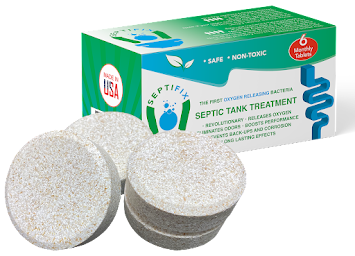
One Tablet Monthly, Less Worry
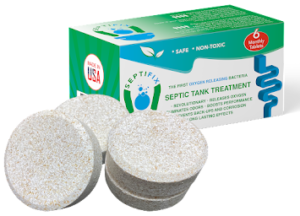
- Support a healthier tank by boosting aerobic bacteria activity
- Release oxygen to fight the source of hydrogen sulfide smells
- Contains 14 strains of aerobic bacteria to accelerate waste breakdown
Natural biological septic treatments utilize microorganisms to break down waste materials, promoting a healthier environment for septic systems. These treatments often contain enzymes and bacteria that support the decomposition of organic matter. Beneficial bacteria are crucial for maintaining an efficient septic system, as they digest sludge and scum, reducing buildup over time. These treatments can enhance the system’s overall efficiency, leading to fewer clogs and slow drains.
Regular use of biological treatments can help maintain a balanced ecosystem within the tank. Introducing these microorganisms into the system can also counteract the effects of harmful chemicals and household cleaners, which may disrupt the natural balance. For homeowners facing recurring slow drains or backups, biological septic treatments present a practical solution to support the health of their septic systems.
How Enzymes and Bacteria Help
Enzymes and bacteria play a crucial role in breaking down organic matter within septic systems. These biological agents work by digesting waste products, which prevents build-up and maintains proper flow through pipes. When introduced into a plumbing system, enzymes speed up the decomposition process, while specific strains of bacteria help to enhance the overall microbiological activity. This synergy allows for more efficient waste management and contributes to a healthier septic system.
Utilizing biological treatments can significantly reduce the risk of slow drains. Regular use of these products helps to replenish the natural bacteria that may decline over time due to factors such as the use of harsh chemicals. Encouraging a balanced ecosystem not only aids in maintaining smooth drainage but also minimizes the likelihood of future clogs. These treatments can serve as a preventive measure, ensuring the septic system works effectively and prolonging its lifespan.
Signs Your Septic System Needs Attention
A malfunctioning septic system often presents visible warning signs that should not be ignored. Frequent backups in drains or toilets can indicate a blockage or an underlying issue within the septic tank. Additionally, slow draining sinks or tubs may signal that the system is struggling to process waste efficiently. Unpleasant odors around the septic field are another strong indication that something is amiss. Homeowners should also be aware of unusually lush patches of grass in the yard, which may suggest that effluent is leaking from the tank.
Regular monitoring is essential to catch problems early. Unexplained wastewater pooling near the septic tank or in the yard is a clear sign of trouble. Gurgling sounds in plumbing fixtures may point to air trapped in the system, often signaling a blockage. Paying attention to these symptoms can prevent more costly repairs later on and ensure the septic system remains in good working order. Addressing these issues promptly is crucial for maintaining the health and functionality of the system.
Warning Signals to Watch For
Unpleasant odors emanating from drains or septic tanks often indicate a problem. These smells can be a sign of inadequate bacterial activity or clogs. Observing slow drainage in sinks and toilets also serves as a warning sign. Wastewater taking longer than usual to disappear suggests that a system inspection may be necessary.
Another signal involves frequent backups and overflows. When toilets or sinks back up regularly, this can lead to significant issues if not addressed promptly. Unexplained wet patches in your yard can also point to a failing septic system. Such patches may indicate that the septic tank is overflowing or leaking, which requires immediate attention.
Stop Septic Odors In Days
- Break down organic sludge, oils, grease, and toilet paper buildup
- Help cut down how often you need to pump the tank
- Treat the tank from the bottom up as tablets embed into the sludge layer
DIY Remedies for Slow Drains
Clogged drains can often be addressed with simple home remedies that require minimal time and expenditure. Baking soda and vinegar create a potent chemical reaction that can help break down minor clogs. Pour half a cup of baking soda down the drain, followed by an equal amount of vinegar. Allow the mixture to fizz for about 30 minutes before flushing it with hot water.
Another effective technique involves using boiling water to clear sluggish pipes. Pouring boiling water down the drain in intervals can help dissolve soap scum and grease buildup. This method works best with metal pipes, as plastic may be susceptible to heat damage. Regularly incorporating these DIY methods can help maintain proper drainage and prevent more significant plumbing issues.
Simple Techniques to Try at Home
Addressing slow drains often starts with simple, effective home remedies. One commonly used method involves pouring a mixture of baking soda and vinegar down the affected drain. This combination creates a fizzy reaction that can help break down minor clogs. After letting it sit for about half an hour, flushing the drain with hot water can clear any debris loosened by the reaction.
Another approach is using a plumber’s snake, which can reach deeper blockages that chemical treatments might not affect. Gently inserting the snake into the drain allows you to dislodge clogs and clear the pathway for wastewater. Regular maintenance with these methods can keep drains flowing smoothly and prevent future issues.
FAQS
What is a biological septic treatment?
Biological septic treatments involve the use of natural enzymes and bacteria to break down waste and improve the efficiency of septic systems.
How do enzymes and bacteria help in septic treatment?
Enzymes and bacteria help by breaking down organic matter in the septic tank, promoting faster decomposition and reducing the accumulation of sludge, which can lead to slow drains.
What are some signs that my septic system needs attention?
Signs your septic system may need attention include slow drains, gurgling sounds in plumbing, foul odors, and wet spots or pooling water in your yard.
What warning signals should I watch for regarding my septic system?
Warning signals include frequent backups, unusual toilet behavior, and slow drainage in multiple fixtures, indicating that your septic system may be struggling.
What DIY remedies can I try for slow drains?
DIY remedies for slow drains include using a mixture of baking soda and vinegar, flushing the system with hot water, or using enzyme treatments to enhance the breakdown of waste.
Related Links
best septic tank treatment
Septic Tank Maintenance Routine: Simple Monthly Checklist for Homeowners
Septic Tank Treatment for Smell: Fix Odors at the Source
Septic Tank Solution Guide: Odor, Slow Drains, Sludge (Decision Tree)
Septic Tank Bacteria Treatment: When to Use It (and When Not To)
Best Product for Septic Tank Problems: Match the Product to the Issue
Natural Septic Treatment Routine: Weekly Habits That Prevent Problems
Strongest Septic Tank Treatment: What “Strong” Should Mean for Septic
Natural Septic Tank Treatments: Safe Options That Don’t Disrupt Your System
A Cleaner Septic System, Naturally
- Break down organic sludge, oils, grease, and toilet paper buildup
- Support a healthier tank by boosting aerobic bacteria activity
- Support a cleaner, safer yard so family can enjoy the garden again