Situations Where Bacterial Treatments May Not Be Effective
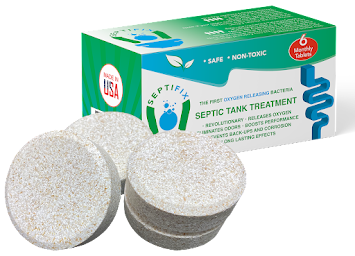
One Tablet Monthly, Less Worry
- Support a healthier tank by boosting aerobic bacteria activity
- Release oxygen to fight the source of hydrogen sulfide smells
- Contains 14 strains of aerobic bacteria to accelerate waste breakdown
Bacterial treatments are designed to enhance the microbial activity within septic systems, helping to break down waste efficiently. However, there are specific circumstances where these treatments may not yield the desired outcomes. For instance, systems that are severely overloaded or improperly maintained often require more than just bacterial supplements. In cases of significant hydraulic overload, such as a malfunctioning drain field, the introduction of additional bacteria may struggle against the excess wastewater.
Another critical factor is the presence of chemicals that can disrupt bacterial populations. Regular use of harsh cleaners or antibiotics can inhibit the beneficial bacteria necessary for effective septic system function. If the system has been exposed to toxic substances, the bacteria introduced through treatments might not survive long enough to impact waste breakdown positively. Understanding these limitations is essential when considering the implementation of bacterial treatments.
Conditions That Require Alternative Solutions
Certain scenarios may not benefit from bacterial treatments, especially when structural issues or obstructions within the septic system are present. If the tank is damaged or the leach field is saturated, adding bacteria will not address the underlying problems. Regular maintenance should include inspections for physical damages that can impede proper function.
Specific environmental conditions can also limit the effectiveness of bacterial treatments. Extreme temperatures, both hot and cold, may hinder bacterial activity. Additionally, high levels of disinfectants or pollutants can disrupt the microbial balance, making it necessary to consider alternative solutions such as mechanical aeration or chemical treatments to restore system functionality.
How to Properly Apply Bacterial Treatments
The application of bacterial treatments necessitates careful consideration of timing and environmental conditions. It’s important to introduce these treatments during periods of lower wastewater flow. This allows the bacteria to establish and thrive without being immediately overwhelmed. Following the manufacturer’s instructions is crucial, as specific products may have varying requirements regarding dosages and methods of application.
Preparing the septic tank environment enhances the effectiveness of bacterial treatments. Removing excess solid waste before adding bacteria can help create an optimal balance within the system. It is also advisable to avoid harsh chemicals for a period before and after treatment, as they can disrupt the bacterial colony. Regular monitoring and maintenance contribute significantly to the long-term efficiency of the septic system, ensuring that the introduced bacteria perform effectively.
Steps for Successful Implementation
Careful preparation is essential before applying bacterial treatments to your septic system. Begin by thoroughly assessing the condition of your tank and its environment. Check for any signs of system failure, such as slow drains or backing up, as these may influence the effectiveness of the treatment. If necessary, pump the tank to remove solid waste buildup prior to introducing the bacteria. This ensures that the treatment has a suitable environment to thrive and achieve optimal results.
Follow the manufacturer’s instructions for the dosage and timing of application. Timing can be critical; it is often advised to apply treatments after peak usage periods to maximize their benefits. For instance, using treatments after weekends or holidays, when water usage typically decreases, can allow the bacteria to work more effectively. Regular monitoring of the septic system after treatment helps identify any ongoing issues and informs future treatment applications, ensuring a well-maintained system over time.
Stop Septic Odors In Days
- Break down organic sludge, oils, grease, and toilet paper buildup
- Help cut down how often you need to pump the tank
- Treat the tank from the bottom up as tablets embed into the sludge layer
Cost Implications of Septic Tank Bacteria Treatments
Investing in bacterial treatments for septic tanks can vary widely in cost. Factors influencing price include the specific product chosen, frequency of application, and whether professional assistance is required for optimal results. While some products are priced affordably at local home improvement stores, others may require a larger investment, especially if they come from specialized manufacturers. Long-term expenses should also be considered, as consistent maintenance can lead to better overall efficiency for the septic system.
Budgeting for these treatments involves assessing both immediate and ongoing needs. Homeowners should account for potential yearly costs associated with purchasing bacterial additives and any additional servicing that may be needed. Setting aside funds for periodic tank inspections and necessary repairs can help prevent larger expenditures down the line. Each owner must evaluate their specific situation to determine the most cost-effective approach to maintaining their septic system’s health.
Budgeting for Maintenance and Additives
Maintaining a septic system requires more than just occasional pumping. Regular bacterial treatments can help ensure that the system remains efficient and free of blockages. When budgeting for these treatments, it is essential to consider both the frequency of applications and the cost of the products themselves. Depending on the brand and quantity purchased, prices can vary significantly. Additionally, incorporating these treatments into a routine maintenance schedule may lead to cost savings in the long run by preventing more serious issues that could require expensive repairs.
In addition to the cost of bacterial additives, one must account for routine inspections and any necessary pumping services that may arise. The budget should therefore reflect these supplementary expenses, especially after significant rainfall or heavy usage periods. Investing in a comprehensive maintenance plan can help prevent costly emergencies and extend the life of the septic system. By prioritizing these costs, homeowners can create a more sustainable and effective septic management strategy.
FAQS
What are septic tank bacteria treatments?
Septic tank bacteria treatments are products designed to introduce beneficial bacteria into a septic system to help break down waste and maintain proper functioning.
When should I consider using bacterial treatments for my septic tank?
Bacterial treatments may be beneficial when you notice signs of poor system performance, such as slow drains or foul odors, and after routine maintenance procedures.
Are there situations where bacterial treatments might not be effective?
Yes, bacterial treatments may not be effective in cases of extreme system overload, physical damage to the tank, or when chemical additives have disrupted the natural bacterial balance.
How do I properly apply bacterial treatments to my septic tank?
To apply bacterial treatments, first ensure the tank is clean and functioning properly, then follow the manufacturer’s instructions for the specific product regarding dosage and method of application.
What are the cost implications of septic tank bacteria treatments?
The cost of septic tank bacteria treatments can vary based on the product chosen, but it’s essential to budget for regular maintenance and possible additional treatments to ensure optimal system performance.
Related Links
best septic tank treatment
Septic Tank Maintenance Routine: Simple Monthly Checklist for Homeowners
Septic Tank Treatment for Smell: Fix Odors at the Source
Septic Treatment for Slow Drains: Causes, Fixes, and What to Try First
Septic Tank Solution Guide: Odor, Slow Drains, Sludge (Decision Tree)
Best Product for Septic Tank Problems: Match the Product to the Issue
Natural Septic Treatment Routine: Weekly Habits That Prevent Problems
Strongest Septic Tank Treatment: What “Strong” Should Mean for Septic
Natural Septic Tank Treatments: Safe Options That Don’t Disrupt Your System
A Cleaner Septic System, Naturally
- Break down organic sludge, oils, grease, and toilet paper buildup
- Support a healthier tank by boosting aerobic bacteria activity
- Support a cleaner, safer yard so family can enjoy the garden again