Regular Maintenance Practices
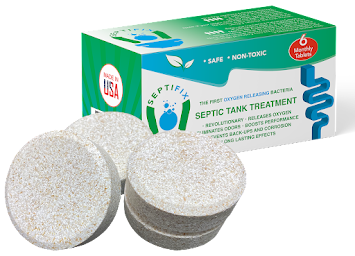
One Tablet Monthly, Less Worry
- Support a healthier tank by boosting aerobic bacteria activity
- Release oxygen to fight the source of hydrogen sulfide smells
- Contains 14 strains of aerobic bacteria to accelerate waste breakdown
Routine maintenance is essential for the health and functionality of septic systems. Homeowners should schedule regular inspections to monitor the tank’s condition and check for any potential issues. This proactive approach can identify early signs of trouble, thereby preventing costly repairs and extending the lifespan of the system. Important tasks include checking the sludge levels and ensuring that the drain field is functioning effectively.
In addition to inspections, regular pumping of the tank is necessary. Depending on household size and tank size, this might be needed every three to five years. This process removes accumulated solids that could otherwise lead to clogs and unpleasant odors. It is also advisable to educate all household members about what can and cannot go down the drains, helping to reduce the risk of clogs and maintaining the system’s efficiency.
Importance of Routine Inspections
Regular inspections of a septic system play a crucial role in its effective functioning. These evaluations help identify potential issues before they escalate into significant problems. Over time, various factors such as the buildup of sludge or the growth of tree roots can compromise system performance. By adhering to a consistent inspection schedule, homeowners can ensure that their system remains in good working condition, thereby prolonging its lifespan.
Additionally, routine checks foster a better understanding of the system’s overall health. During inspections, experts can assess the state of the septic tank and drainage fields, which provides valuable insights into necessary maintenance actions. This proactive approach can help prevent costly repairs and minimize downtime. Ultimately, prioritizing inspections not only enhances the efficiency of the septic system but also contributes to a safer and healthier living environment.
When to Call a Professional
Homeowners should be vigilant about the state of their septic systems. If persistent odors permeate the property despite basic maintenance, this could signal an underlying issue. Additionally, unresponsive drainage systems can indicate that the tank is full, malfunctioning, or undergoing a backup. Ignoring these signs may lead to more severe complications that necessitate professional intervention.
It is crucial to recognize when problems exceed the scope of DIY repairs. Frequent backups, unusual noises from the tank, or pooling water around the drain field are strong indicators that expert assistance is required. Attempting to address these issues without proper knowledge or equipment can exacerbate the situation, leading to costly repairs or environmental concerns. Seeking professional help ensures that the septic system receives the appropriate diagnosis and care it needs.
Indicators That You Need Expert Help
Certain signs can indicate that a septic system has developed issues beyond basic maintenance. An inexplicable rise in water levels around the septic tank or drain field can suggest over saturation. Persistent foul odors around the tank or in the yard often indicate a serious problem that cannot be resolved through DIY methods. Slow draining fixtures throughout the home may point to blockages deep within the system, indicating a potential need for professional intervention.
Puddles of wastewater near the tank or drain field are another red flag that should not be ignored. If sewage backs up into household drains, immediate expert assistance is necessary to prevent severe damage. Frequent complaints from residents regarding gurgling sounds in the plumbing can also suggest underlying issues. Ignoring these signs can lead to costly repairs and health hazards, making it vital to seek professional help when these indicators arise.
Stop Septic Odors In Days
- Break down organic sludge, oils, grease, and toilet paper buildup
- Help cut down how often you need to pump the tank
- Treat the tank from the bottom up as tablets embed into the sludge layer
DIY Solutions for Minor Issues
Homeowners can often address minor septic tank issues without professional assistance. Simple tasks such as checking and tightening any accessible connections can resolve leaks. Regularly inspecting the drain field can also catch potential problems early. If sluggish drains are observed, using hot water can help dissolve minor clogs caused by grease or soap buildup.
In addition to regular visual checks, adding specialized septic tank treatments can promote healthy bacterial activity. These products are designed to break down waste and reduce odors. Avoid using chemical drain cleaners, as they can disrupt the natural balance of bacteria in the tank. Regular maintenance practices, including water conservation and mindful usage of the plumbing system, help ensure the septic system remains functional and efficient.
Safe Practices for Homeowners
Maintaining a septic system requires caution and knowledge. Homeowners must familiarize themselves with the types of materials that should not enter the system. Avoid flushing non-biodegradable items like wipes, feminine hygiene products, or any other foreign objects. These items can lead to blockages that may cause significant issues, including backups and costly repairs.
Implementing a simple routine can also enhance the longevity of the system. Using enzymatic cleaners can help break down solids and reduce sludge buildup. Regularly monitoring the tank’s condition and maintaining clear access for inspection promotes a proactive approach. Understanding water usage and avoiding excessive amounts during laundry or showers can contribute to a balanced system, ensuring effective operation without unnecessary strain.
FAQS
How often should I have my septic tank inspected?
It is recommended to have your septic tank inspected every 1 to 3 years, depending on the size of the tank and the number of people in your household.
What are some common signs that my septic tank needs attention?
Common signs include foul odors around the tank or drain field, slow drains, standing water over the drain field, and gurgling sounds in the plumbing.
Can I perform maintenance on my septic system myself?
Yes, homeowners can perform minor maintenance tasks such as monitoring water usage, avoiding flushing non-biodegradable items, and keeping the area around the tank clear. However, more complex issues should be handled by professionals.
What should I do if I notice sludge buildup in my septic tank?
If you notice sludge buildup, it’s time to schedule a pumping service. Regular pumping every 3 to 5 years can help prevent blockages and backups.
Are there any products I can use to help maintain my septic system?
There are commercial septic tank treatments available that can help maintain the balance of bacteria in your tank, but it’s important to ensure they are safe for septic systems. Always follow the manufacturer’s instructions.
Related Links
best septic tank treatment
Septic Tank Maintenance Routine: Simple Monthly Checklist for Homeowners
Septic Tank Treatment for Smell: Fix Odors at the Source
Septic Treatment for Slow Drains: Causes, Fixes, and What to Try First
Septic Tank Bacteria Treatment: When to Use It (and When Not To)
Best Product for Septic Tank Problems: Match the Product to the Issue
Natural Septic Treatment Routine: Weekly Habits That Prevent Problems
Strongest Septic Tank Treatment: What “Strong” Should Mean for Septic
Natural Septic Tank Treatments: Safe Options That Don’t Disrupt Your System
A Cleaner Septic System, Naturally
- Break down organic sludge, oils, grease, and toilet paper buildup
- Support a healthier tank by boosting aerobic bacteria activity
- Support a cleaner, safer yard so family can enjoy the garden again