Pumping the Septic Tank
One Tablet Monthly, Less Worry
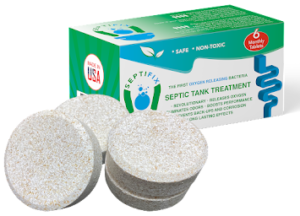
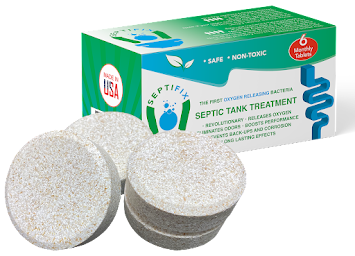
- Support a healthier tank by boosting aerobic bacteria activity
- Release oxygen to fight the source of hydrogen sulfide smells
- Contains 14 strains of aerobic bacteria to accelerate waste breakdown
Regularly pumping the septic tank is vital for maintaining its efficiency and preventing costly repairs. Homeowners should understand that over time, solid waste accumulates, leading to a reduction in tank capacity. Failure to pump the tank can result in backups and system failure. Scheduling a pumping every three to five years is generally recommended for most households. However, factors such as household size, water usage, and the presence of a garbage disposal can influence this frequency.
When it comes to pumping, it is important to hire a licensed professional experienced in septic system care. They will have the necessary equipment to safely remove the waste while ensuring minimal disruption to the yard. Before scheduling a pumping, homeowners should keep an eye out for signs of potential issues like foul odors or slow drains. Taking preventive measures can extend the lifespan of the septic system and enhance overall performance.
When and How Often to Pump
Regular pumping of the septic tank is essential for preventing clogs and system failures. Homeowners should consider the size of their tank, the number of occupants in the household, and water usage when determining the frequency of pumping. In general, a typical household may require pumping every three to five years. However, for larger families or properties with heavy water use, more frequent pumping may be necessary to maintain optimal performance.
It’s important to monitor the tank’s sludge and scum levels as indicators of when to schedule maintenance. A professional inspection can help determine these levels accurately. Keeping a record of pumping dates and maintenance activities contributes to long-term system health. Addressing issues proactively can save homeowners from costly repairs and ensure the septic system operates efficiently for years to come.
Testing the System for Leaks
Identifying leaks in a septic system is crucial for preventing environmental contamination and costly repairs. Homeowners can start by visually inspecting the yard for any unusual wet spots or standing water near the septic tank or drain field. Often, these areas can indicate a potential leak or system failure. Monitoring the water levels inside the tank can also be helpful; a drop in levels without regular usage may signal trouble.
Several methods can be employed to detect leaks effectively. One common approach involves dye testing, where non-toxic dye is introduced into the plumbing system. If the dye appears in unexpected areas, this indicates a breach in the system. Additionally, engaging a professional septic service can ensure comprehensive inspections of the entire system, including the tank, pipes, and drain field, for more intricate leak detection. Taking proactive measures helps maintain system integrity and health.
Methods for Leak Detection
Identifying leaks in a septic system is crucial for avoiding costly repairs and environmental contamination. One of the most effective methods is the dye test, where non-toxic dye is introduced into the toilet or sink. If the dye appears in the surrounding soil or groundwater, it indicates a leak in the system. Additionally, inspecting for visible signs of water pooling or unusually lush vegetation in specific areas can reveal potential leaks.
Another popular approach is to perform a smoke test, which involves introducing smoke into the system. If the smoke escapes from the ground, this indicates cracks or breaches in the system. Using specialized equipment such as cameras or sound detectors can also help pinpoint leaks that are not easily visible. Regular inspections using these methods can support the integrity of the septic system and prevent significant issues down the line.
Stop Septic Odors In Days
- Break down organic sludge, oils, grease, and toilet paper buildup
- Help cut down how often you need to pump the tank
- Treat the tank from the bottom up as tablets embed into the sludge layer
Maintaining Drainage System
Regular maintenance of the drainage system is crucial for the longevity of your septic setup. Keeping gutters and downspouts clear of debris allows water to flow away from the tank efficiently. Regular inspections can identify potential blockages early, preventing further damage. Ensure that landscaping is designed to direct surface water away from the septic area to avoid overwhelming the system.
Proper care of the drainage field also involves monitoring its condition. Look for signs of pooling water or foul odors, which may indicate a problem. Avoid planting deep-rooted vegetation near the drainage area, as roots can disrupt the system and cause blockages. Scheduling routine checks helps maintain optimal function and extends the life of the septic system.
Essential Tips for Care
Regular inspection of your drainage system is crucial for preventing more significant issues. Homeowners should check for any visible signs of wear, such as cracks or blockages in pipes. Keeping the area around the septic tank clear of debris promotes healthy drainage. Ensure that any shrubs or trees planted nearby are far from the tank to avoid root intrusion.
Properly managing waste disposal also plays a vital role in maintaining your septic system. Avoid flushing items like wipes, feminine hygiene products, or chemicals that could disrupt the tank’s natural processes. Consider using biodegradable soaps and detergents. Monitoring water usage helps prevent overloading the system, which could lead to backups or failures. A well-maintained septic system can serve a household efficiently for many years.
FAQS
How often should I pump my septic tank?
It is generally recommended to pump your septic tank every 3 to 5 years, but this can vary based on the size of your tank and the number of occupants in your home.
What are the signs that my septic system may have a leak?
Common signs of a leak include foul odors, pooling water in your yard, slow drains, or gurgling sounds in your plumbing. If you notice any of these issues, it’s important to test your system for leaks.
How can I test my septic system for leaks?
You can test your septic system for leaks using methods such as dye testing, where a non-toxic dye is introduced into the system, or by checking the water levels in your tank and distribution box.
What should I do if I find a leak in my septic system?
If you discover a leak, it is crucial to contact a professional septic system service provider immediately to assess the damage and perform necessary repairs.
What are some essential tips for maintaining my septic tank’s drainage system?
Key tips include avoiding the disposal of non-biodegradable items down the drain, minimizing water usage to prevent overload, and regularly inspecting and cleaning the drainage field to ensure proper function.
Related Links
best septic tank treatment
Septic Tank Treatment for Smell: Fix Odors at the Source
Septic Treatment for Slow Drains: Causes, Fixes, and What to Try First
Septic Tank Solution Guide: Odor, Slow Drains, Sludge (Decision Tree)
Septic Tank Bacteria Treatment: When to Use It (and When Not To)
Best Product for Septic Tank Problems: Match the Product to the Issue
Natural Septic Treatment Routine: Weekly Habits That Prevent Problems
Strongest Septic Tank Treatment: What “Strong” Should Mean for Septic
Natural Septic Tank Treatments: Safe Options That Don’t Disrupt Your System
A Cleaner Septic System, Naturally
- Break down organic sludge, oils, grease, and toilet paper buildup
- Support a healthier tank by boosting aerobic bacteria activity
- Support a cleaner, safer yard so family can enjoy the garden again