Enzyme-Based Products
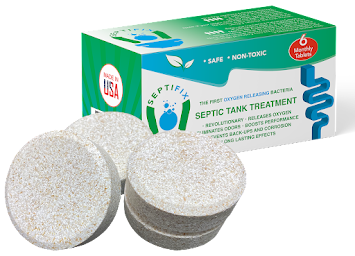
One Tablet Monthly, Less Worry
- Support a healthier tank by boosting aerobic bacteria activity
- Release oxygen to fight the source of hydrogen sulfide smells
- Contains 14 strains of aerobic bacteria to accelerate waste breakdown
Enzyme-based products have gained popularity for their effectiveness in mitigating odors associated with septic tanks. These treatments harness the natural power of enzymes to break down organic matter more efficiently. By introducing these microbial enzymes into the system, homeowners can enhance waste decomposition, leading to fewer odor issues and a healthier septic environment.
The benefits of using enzyme-based treatments extend beyond just odor control. They can also help maintain the proper functioning of the septic system by reducing the buildup of sludge and scum. Regular use of these products encourages a balanced microbial ecosystem, promoting optimal waste management and extending the life of the septic tank. Homeowners should consider incorporating enzyme treatments into their septic maintenance routine for improved performance.
How Enzymes Help Break Down Waste
Enzymes play a crucial role in the decomposition of organic matter within your septic system. They are natural catalysts that accelerate the breakdown process of waste materials, effectively converting solid waste into simpler substances. This not only helps reduce the overall volume of sludge but also minimizes the buildup of harmful bacteria that contribute to unpleasant odors. By promoting a healthier microbial environment, enzymes assist in enhancing the efficiency of the septic system.
Incorporating enzyme-based products into your septic maintenance routine can lead to significant improvements. These formulations often contain specialized strains of bacteria and enzymes tailored to target specific types of waste, including human waste, fats, and grease. Regular use of these products supports a balanced ecosystem within the tank, ensuring that waste is consistently broken down before it can lead to clogs or odor issues.
DIY Solutions for Minor Odors
Addressing minor odors in your septic tank can often be achieved with simple household remedies. One effective solution is to use baking soda. This natural deodorizer can help neutralize the unpleasant smells by absorbing odors and breaking down organic waste. Simply sprinkle a cup of baking soda into your toilet or drain and allow it to sit for a few hours before flushing. This method not only reduces odors but also promotes a healthier septic environment.
Another option involves vinegar, known for its antibacterial properties. Pouring a cup of white vinegar down your toilet can aid in dissolving grease and buildup that contribute to foul smells. Additionally, vinegar helps balance the pH levels in the septic system, encouraging beneficial bacteria to thrive. Combining these two ingredients periodically can effectively manage minor odors and keep your septic system functioning properly.
Simple Remedies You Can Try at Home
Addressing minor odors from your septic tank is often manageable with easy home remedies. Baking soda serves as an effective neutralizer. Sprinkling it into your toilet and drains can help absorb unwanted smells. Another simple method involves using vinegar. Pouring a cup of vinegar down the drains can assist with odor control while also clearing any buildup in the pipes.
Essential oils can also be useful in tackling unpleasant odors. A few drops of oils like tea tree or lavender in the toilet or sinks can impart a fresh scent while combating bacterial growth. Additionally, maintaining regular flushing routines with warm water can aid in breaking down waste more effectively. These practices create a healthier septic environment and significantly reduce odors.
Stop Septic Odors In Days
- Break down organic sludge, oils, grease, and toilet paper buildup
- Help cut down how often you need to pump the tank
- Treat the tank from the bottom up as tablets embed into the sludge layer
When to Call a Professional
There are specific indicators that suggest the need for professional intervention regarding septic tank issues. A noticeable increase in unpleasant odors around the septic area is a primary sign. Additionally, if you experience frequent backups in your plumbing system, it may signal a more severe underlying problem that requires expert assessment.
Problems such as persistent clogging, slow drains, or unusual discoloration of the water in your yard might also point to a malfunctioning septic system. In these cases, relying on a specialist is essential to achieve effective and lasting solutions. Regular maintenance by a professional ensures that the system operates efficiently and any potential issues are addressed before they escalate.
Signs That Indicate a Need for Expert Help
Persistent odors around the septic tank area can suggest a more serious issue that requires professional assessment. If the smells do not dissipate with standard treatments or DIY remedies, it may indicate that waste is accumulating or that there is a malfunction in the system. Homeowners should also be alert to any unusual changes, such as slower draining sinks or toilets, which may signal underlying problems with the septic system.
In addition to persistent odors and drainage issues, visible signs can also warrant expert attention. If you notice sewage backup in drains or puddles of water forming in your yard, these are clear indicators that something is amiss. Cracked or compromised tank structures can lead to leaks, posing health risks and environmental hazards. Seeking professional assistance at this stage can prevent further damage and ensure the system functions correctly.
FAQS
What are enzyme-based products and how do they work for septic tanks?
Enzyme-based products contain natural bacteria and enzymes that help break down organic waste in septic tanks, reducing odors and improving the overall function of the system.
Can I use DIY solutions to eliminate septic tank odors?
Yes, there are several DIY solutions, such as using baking soda, vinegar, or lemon juice, that can help neutralize odors. However, these methods are best for minor issues and should not replace professional treatments for more severe problems.
How do I know if my septic tank needs professional help?
Signs that indicate a need for expert help include persistent odors, slow drains, sewage backups, and standing water around the septic tank or drain field.
Are there any specific products I should avoid when treating septic tank odors?
Yes, avoid using harsh chemicals, bleach, or antibacterial soaps, as they can kill the beneficial bacteria needed for proper septic tank function.
How often should I treat my septic tank to prevent odors?
It’s recommended to treat your septic tank with enzyme-based products every 3 to 6 months to maintain a healthy balance and prevent odors from developing.
Related Links
best septic tank treatment
Septic Tank Maintenance Routine: Simple Monthly Checklist for Homeowners
Septic Treatment for Slow Drains: Causes, Fixes, and What to Try First
Septic Tank Solution Guide: Odor, Slow Drains, Sludge (Decision Tree)
Septic Tank Bacteria Treatment: When to Use It (and When Not To)
Best Product for Septic Tank Problems: Match the Product to the Issue
Natural Septic Treatment Routine: Weekly Habits That Prevent Problems
Strongest Septic Tank Treatment: What “Strong” Should Mean for Septic
Natural Septic Tank Treatments: Safe Options That Don’t Disrupt Your System
A Cleaner Septic System, Naturally
- Break down organic sludge, oils, grease, and toilet paper buildup
- Support a healthier tank by boosting aerobic bacteria activity
- Support a cleaner, safer yard so family can enjoy the garden again