Managing Overflows
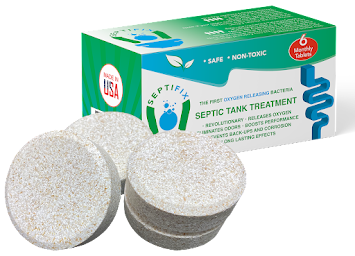
One Tablet Monthly, Less Worry
- Support a healthier tank by boosting aerobic bacteria activity
- Release oxygen to fight the source of hydrogen sulfide smells
- Contains 14 strains of aerobic bacteria to accelerate waste breakdown
When septic systems become overwhelmed due to heavy rainfall or improper water usage, overflow issues may arise. Managing these overflows is crucial to prevent backups and protect the environment. Regular inspections can help identify potential problems before they escalate. Property owners should also limit water usage during heavy rainfall to minimize the risk of system overload.
Utilizing certain products can help mitigate the effects of overflows. Bio-enzymatic treatments break down organic waste, enhancing the system’s processing capabilities. Additionally, maintenance solutions improve drainage efficiency, allowing tanks to handle excess water more effectively. Combining product use with proper maintenance practices ensures septic systems remain functional during periods of excessive water input.
Reliable Products for Preventing Overflows
Preventing overflows in septic systems requires effective products designed to manage excessive waste. One popular choice is liquid additives, which contain enzymes and bacteria that help break down solids and maintain the natural balance in the tank. These additives can significantly reduce the chances of backup by enhancing decomposition, ensuring smoother operation even during heavy usage.
Additionally, solid products such as specialized septic tank tablets are widely recommended for regular maintenance. These tablets dissolve over time, releasing beneficial microorganisms that support the breakdown of waste materials. Regular use of these products can help ensure that the septic system operates efficiently, minimizing the risk of overflow and contributing to long-term system health.
Enhancing Bacterial Activity
Healthy septic systems rely on a flourishing population of bacteria to break down organic waste effectively. Introducing specific additives can significantly enhance bacterial activity within the tank. This approach helps ensure that the waste is decomposed efficiently, reducing buildup and maintaining the overall health of the system. Products containing billions of live bacteria strains contribute to a balanced ecosystem, promoting faster breakdown of solids and minimizing potential blockages.
Regular use of bacterial additives not only accelerates waste decomposition but also aids in nutrient recycling within the septic system. These products often contain enzymes that further assist bacteria in digesting tough organic matter. Additionally, they can help mitigate unpleasant odors that may arise from insufficient bacterial activity. Utilizing high-quality additives designed to promote a thriving microbial environment ensures the longevity and efficiency of the septic system.
Best Additives for Healthy Septic Systems
Maintaining a healthy septic system relies heavily on the balance of bacteria that break down waste. Certain additives can help replenish beneficial bacteria, ensuring that the system operates efficiently. Products containing a blend of enzymes and live bacteria can significantly enhance the decomposition process. This not only improves the breakdown of solid waste but also contributes to reducing odors, promoting a more pleasant environment around the septic tank.
Natural additives, such as those derived from plant-based sources, are gaining popularity due to their eco-friendly properties. They effectively support the existing microbial population without introducing harmful chemicals. Regular use of these additives can lead to improved system functionality, minimizing the risk of clogs and backups. Additionally, they may extend the lifespan of the septic system, making them a wise investment for homeowners seeking long-term solutions to their septic challenges.
Stop Septic Odors In Days
- Break down organic sludge, oils, grease, and toilet paper buildup
- Help cut down how often you need to pump the tank
- Treat the tank from the bottom up as tablets embed into the sludge layer
Maintaining Drain Field Health
The health of a drain field is crucial for the overall functionality of a septic system. Regular maintenance can prevent failures and ensure efficient wastewater treatment. Over time, organic matter and solids can accumulate within the drain field, leading to blockages. It’s essential to monitor the area for signs of saturation, such as standing water or unpleasant odors, which indicate that the drain field may be struggling.
Implementing specific products designed for drain field care can significantly enhance its longevity. Products containing natural enzymes or bacterial cultures can help break down solid waste, promoting a healthy microbial environment. Routine applications of these additives can support the natural processes that keep the drain field functioning effectively. Additionally, avoiding harmful chemicals in household products can contribute to a balanced ecosystem within the drain field.
Recommended Products for Drain Field Care
Maintaining the health of your drain field is crucial for the overall function of your septic system. Certain products can support the natural processes occurring within the soil and improve drain field performance. Biodegradable enzymes and microbial additives are popular choices; they help break down organic matter and enhance the activity of beneficial microorganisms in the soil. Their application can alleviate clogs and improve drainage efficiency, promoting a healthier system.
Another effective approach involves using specific soil amendments designed to improve aeration and water retention. These products can help alleviate issues related to compacted soil, which often leads to drain field failure. When selecting a product, it’s important to choose those formulated specifically for septic systems. Regular application, coupled with proper maintenance practices, can prolong the lifespan of your drain field and ensure its effective operation over time.
FAQS
What are common signs of septic tank problems?
Common signs include slow drains, gurgling sounds in plumbing, bad odors, and sewage backups in toilets or drains.
How can I prevent septic tank overflows?
Regular maintenance, such as pumping the tank every 3-5 years and using reliable products designed to prevent overflows, can help keep your septic system functioning properly.
What additives are best for enhancing bacterial activity in septic systems?
Look for natural additives that contain live bacteria and enzymes, which can help break down waste and improve overall septic health.
How do I maintain drain field health?
To maintain drain field health, avoid overloading the system with water, refrain from using harsh chemicals, and consider using recommended products specifically designed for drain field care.
Can I use chemical drain cleaners in my septic system?
No, chemical drain cleaners can disrupt the bacterial balance in your septic system and lead to further problems; it’s advisable to use septic-safe alternatives.
Related Links
best septic tank treatment
Septic Tank Maintenance Routine: Simple Monthly Checklist for Homeowners
Septic Tank Treatment for Smell: Fix Odors at the Source
Septic Treatment for Slow Drains: Causes, Fixes, and What to Try First
Septic Tank Solution Guide: Odor, Slow Drains, Sludge (Decision Tree)
Septic Tank Bacteria Treatment: When to Use It (and When Not To)
Natural Septic Treatment Routine: Weekly Habits That Prevent Problems
Strongest Septic Tank Treatment: What “Strong” Should Mean for Septic
Natural Septic Tank Treatments: Safe Options That Don’t Disrupt Your System
A Cleaner Septic System, Naturally
- Break down organic sludge, oils, grease, and toilet paper buildup
- Support a healthier tank by boosting aerobic bacteria activity
- Support a cleaner, safer yard so family can enjoy the garden again