Signs Your Septic Tank Needs Treatment
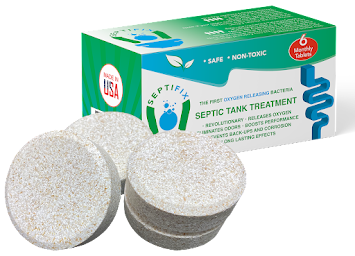
One Tablet Monthly, Less Worry
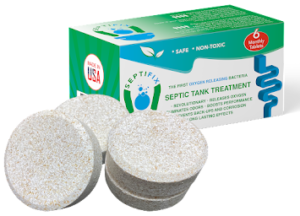
- Support a healthier tank by boosting aerobic bacteria activity
- Release oxygen to fight the source of hydrogen sulfide smells
- Contains 14 strains of aerobic bacteria to accelerate waste breakdown
Unpleasant odors around the septic tank area can indicate a need for treatment. These odors result from the buildup of gases due to inadequate bacterial activity. Homeowners may notice slow draining in sinks, toilets, and bathtubs, which can also signal problems within the system. Such issues may suggest that the tank is full or that there is a clog in the drainage field.
Another clear sign of septic tank issues is the presence of standing water above the drain field. This pooling can be a result of system overload or ineffective filtration. Additionally, if there’s an increase in the frequency of plumbing backups, this might indicate that the system is struggling to process waste effectively. Monitoring these signs is crucial for maintaining a healthy septic system.
Indicators of Potential Problems
Regular inspections can reveal signs that indicate a septic system may be struggling. Unpleasant odors around the tank or drainage field signal that something is amiss. Frequent backups in drains and toilets may also suggest a buildup of solids within the tank. If your lawn appears greener or wetter in specific areas, it can point to leaking effluent from the tank, which could lead to more significant issues if not addressed promptly.
Another telltale sign of trouble includes slow-draining fixtures throughout the home. Gurgling sounds in plumbing can indicate air trapped in the pipes due to a blockage. Additionally, an unusually dark or patchy lawn over the drain field might suggest an overflow, requiring immediate attention to avoid environmental contamination. Recognizing these symptoms early can help prevent costly repairs and ensure the system operates efficiently.
DIY vs. Professional Treatment Options
Many homeowners consider DIY septic tank treatments as a budget-friendly option. These treatments often include enzyme-based products or natural additives that claim to break down solid waste and improve the overall function of the system. While some individuals may find initial success with these methods, they can be limited in effectiveness, particularly for larger or more complex septic systems. Additionally, misuse of DIY products can lead to imbalances in the tank’s ecosystem, potentially causing more harm than good.
Professional treatment options offer a more comprehensive approach to septic system care. Licensed septic professionals can conduct thorough inspections to assess the system’s condition. They typically possess the expertise and tools necessary to identify issues that may not be visible to the untrained eye. Furthermore, professional services often include pumping and regular maintenance, ensuring the system operates efficiently and adheres to local regulations. This level of attention can significantly prolong the life of a septic system and prevent costly breakdowns in the future.
When to Seek Expert Help
Not all septic tank issues can be effectively resolved with DIY treatments. When signs such as persistent foul odors, slow drainage, or septic backups occur, it may indicate a more severe underlying problem. Homeowners should consider seeking professional assistance when these symptoms appear. Professional septic tank services can conduct thorough inspections and provide expert advice based on their observations.
The complexity of septic systems often requires specialized knowledge and tools that the average homeowner may not possess. If routine maintenance is neglected despite several reminders, the situation may worsen quickly. Consulting a professional service can help prevent costly repairs in the long run and ensure the longevity of the septic system.
Stop Septic Odors In Days
- Break down organic sludge, oils, grease, and toilet paper buildup
- Help cut down how often you need to pump the tank
- Treat the tank from the bottom up as tablets embed into the sludge layer
Environmental Impact of Septic Treatments
The choice of septic tank treatment can significantly affect the surrounding ecosystem. Many traditional treatments contain harsh chemicals that can harm local flora and fauna if they seep into the groundwater. These substances may disrupt aquatic life in nearby streams or ponds, leading to a reduction in biodiversity. Eco-friendlier alternatives exist and can treat waste effectively without the detrimental effects on the environment, promoting compatibility with natural systems.
Furthermore, the balance between effective waste breakdown and environmental preservation is crucial. Biodegradable treatments often rely on natural bacteria that help decompose waste without leaving toxic residues. While these solutions may take longer to work, their long-term benefits include healthier soil and water sources. Implementing such products can lead to safer, more sustainable septic systems that benefit both homeowners and the broader community.
Balancing Effectiveness and Eco-Friendliness
In the quest for efficient septic tank treatment, effectiveness often takes precedence over environmental considerations. However, effective solutions can also be eco-friendly. Many products now balance the need for strong action against waste buildup while minimizing harm to surrounding ecosystems. For instance, enzymatic and bacterial treatments actively break down waste without introducing harsh chemicals that could leach into the groundwater. These options align performance with ecological responsibility, ensuring that home treatment doesn’t come at the expense of the environment.
Choosing the right product requires understanding the long-term implications of each treatment type. Natural treatments generally promote beneficial microbial activity, enhancing the septic system’s overall health. This approach supports sustainability, which is crucial in preventing soil and water contamination. Evaluating both the immediate results and the enduring impact of septic treatments can help homeowners make informed decisions. By prioritizing solutions that champion both efficacy and ecological stewardship, it is possible to maintain a healthy septic system while protecting the planet.
FAQS
What are the signs that my septic tank needs treatment?
Common signs include slow drains, foul odors, pooling water around the tank, and lush green grass over the drain field. If you notice any of these indicators, it may be time for treatment.
How do I know if I should attempt a DIY septic tank treatment or call a professional?
If the issues seem minor, such as occasional odors or slow drainage, you might try a DIY treatment. However, if you notice persistent problems, backups, or have not had maintenance in years, it’s best to seek professional help.
What are some DIY septic tank treatment options?
DIY options include enzyme-based treatments or natural additives like baking soda and vinegar. These can help break down waste and maintain a healthy balance in your septic system.
What should I consider when choosing a septic tank treatment to ensure it’s environmentally friendly?
Look for treatments that are biodegradable, free from harsh chemicals, and specifically designed to minimize harm to the surrounding environment. Researching product reviews and certifications can help you make an eco-conscious choice.
How often should I treat my septic tank?
Treatment frequency depends on factors like tank size, household size, and usage. Generally, it’s advisable to treat the tank every 3 to 6 months and have it professionally pumped every 3 to 5 years.
Related Links
best septic tank treatment
Septic Tank Maintenance Routine: Simple Monthly Checklist for Homeowners
Septic Tank Treatment for Smell: Fix Odors at the Source
Septic Treatment for Slow Drains: Causes, Fixes, and What to Try First
Septic Tank Solution Guide: Odor, Slow Drains, Sludge (Decision Tree)
Septic Tank Bacteria Treatment: When to Use It (and When Not To)
Best Product for Septic Tank Problems: Match the Product to the Issue
Natural Septic Treatment Routine: Weekly Habits That Prevent Problems
Natural Septic Tank Treatments: Safe Options That Don’t Disrupt Your System
A Cleaner Septic System, Naturally
- Break down organic sludge, oils, grease, and toilet paper buildup
- Support a healthier tank by boosting aerobic bacteria activity
- Support a cleaner, safer yard so family can enjoy the garden again