Timeline for Bacterial Action
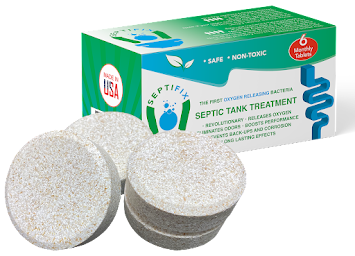
One Tablet Monthly, Less Worry
- Support a healthier tank by boosting aerobic bacteria activity
- Release oxygen to fight the source of hydrogen sulfide smells
- Contains 14 strains of aerobic bacteria to accelerate waste breakdown
The action of septic bacteria is a gradual process that depends on various factors, including temperature, pH level, and the organic load present in the system. Typically, these bacteria begin to exhibit noticeable activity within a few days after being introduced into the septic tank. Initial signs of breakdown and odor reduction may be observed within one to two weeks, although complete stabilization and optimal performance can take longer.
As the bacteria continue to work, their efficient breakdown of organic matter leads to clearer effluent and reduced odors. The timeline can vary based on environmental conditions and how well the system is maintained. Regular monitoring and maintenance enhance the bacteria’s effectiveness, thereby accelerating the timeline for significant improvements in odor and overall system health.
How Long Until Odor Reduction Occurs
The timeline for odor reduction after introducing septic bacteria can vary based on several factors, including the severity of the odor, the type of bacteria used, and environmental conditions. Generally, noticeable effects may be observed within a few days to a couple of weeks. Bacteria begin their work by breaking down organic matter and contributing to the overall health of the septic system, which subsequently helps in minimizing foul smells.
In cases where odors are particularly strong or persistent, it may take longer for the effects to be fully realized. Factors such as temperature, moisture levels, and the amount of organic waste present can influence the rate at which bacteria establish themselves and begin to function effectively. Users should remain patient while the bacteria acclimate and performing their task. Regular monitoring of the system can provide insights into its health and performance, leading to more effective odor control over time.
Maintenance Tips for Optimal Bacterial Function
Regular maintenance is vital for maintaining the health of your septic system and ensuring optimal bacterial function. Periodically inspect the system for leaks or damages. Check the scum and sludge levels and pump the tank as needed to prevent buildup. Introducing healthy bacteria into the system can support decomposition. Use septic-safe cleaning products to avoid disrupting the bacterial action essential for odor breakdown.
Limiting water use on heavy soak days can enhance bacterial effectiveness. Spread out laundry and dishwashing activities to prevent overwhelming the system. Additionally, avoid flushing anything other than human waste and toilet paper to keep bacteria thriving. Incorporating natural composting methods can introduce beneficial microorganisms that assist in breaking down organic matter more efficiently. Each of these steps plays a crucial role in sustaining the ecosystem within the septic system.
Best Practices for Septic System Care
Regular maintenance of a septic system is crucial for its longevity and effectiveness. Homeowners should schedule routine inspections at least once every three years. This allows for early detection of potential issues. Additionally, it’s essential to pump the tank regularly, typically every three to five years. This practice helps prevent solids from clogging the system and ensures that the bacteria can function optimally.
Mindful usage of water plays a significant role in the health of a septic system. Spreading out water use throughout the week can reduce strain on the system. Avoiding the disposal of non-biodegradable items down the drain is equally important. These items can disrupt bacterial activity and lead to blockages. Understanding what goes down the drain ensures that the system remains efficient and functional.
Stop Septic Odors In Days
- Break down organic sludge, oils, grease, and toilet paper buildup
- Help cut down how often you need to pump the tank
- Treat the tank from the bottom up as tablets embed into the sludge layer
Common Misconceptions About Septic Bacteria
There are several myths surrounding septic bacteria that often lead to misunderstandings about their role in system maintenance. Some people believe that adding more bacteria will exponentially improve the system’s performance. However, this is not necessarily true. Septic systems already have a natural population of bacteria that effectively breaks down waste. Overloading the system with too many bacteria can disrupt the natural balance and may even harm its efficiency.
Another common misconception is that all products marketed for septic systems are beneficial. In reality, many household cleaners, chemicals, and other additives can harm the bacterial populations crucial for decomposition. Some individuals may think that regular septic tank pumping is unnecessary if they use these products. This is misleading and can lead to long-term issues if not properly managed. Understanding these misconceptions is essential for maintaining a healthy septic system and preventing avoidable problems.
Debunking Myths and Misunderstandings
Septic bacteria are often misunderstood, leading to various myths surrounding their effectiveness. One common misconception is that all bacteria are the same. In reality, different strains of bacteria serve specific purposes within the septic system, and not all of them contribute to odor reduction or waste breakdown. Effective bacteria are specially formulated to enhance digestion in the tank, while other types may be less beneficial or even harmful.
Another frequent misunderstanding pertains to the speed at which septic bacteria work. Many homeowners believe that once bacteria are introduced, they will immediately eliminate odors. While some reduction may be noticeable relatively quickly, the full benefits take time to manifest as the bacterial colonies establish and flourish. Patience is essential in allowing the bacteria to function optimally within the system.
FAQS
How long does it take for septic bacteria to reduce odors?
The timeline for odor reduction can vary, but typically, you may start to notice a decrease in odors within a few days to a week after introducing bacteria into your septic system.
Are there specific maintenance tips to enhance bacterial function in a septic system?
Yes, maintaining optimal bacterial function includes regular pumping of the tank, avoiding harsh chemicals, and ensuring a balanced diet for the bacteria by not overloading the system with non-biodegradable materials.
What are some best practices for septic system care?
Best practices include regular inspections, using septic-safe products, avoiding flushing items like wipes and grease, and being mindful of water usage to prevent overwhelming the system.
What are some common misconceptions about septic bacteria?
A common misconception is that all bacteria are harmful; however, septic bacteria are essential for breaking down waste and maintaining system health. Another myth is that more bacteria always lead to faster results, which isn’t true as balance is key.
How can I tell if my septic system is functioning properly?
Signs of a properly functioning septic system include minimal odors, clear draining, and a lack of pooling water in the yard. If you notice unpleasant smells, slow drains, or wet areas around the tank, it may indicate a problem.
Related Links
septic tank treatment for smell
Septic-Safe Drain Cleaner for Smell: What Works Without Damage
What Not to Flush: The #1 Reason Septic Odors Keep Coming Back
Septic System Odor Troubleshooting: A Simple 10-Minute Checklist
Septic Smell in Basement: Traps, Vents, and Hidden Leak Clues
Septic Tank Smell Outside: When It’s Normal vs a Warning Sign
Septic Smell From Shower Drain: Quick Tests + Safe Fixes
Septic Smell in Laundry Room: Washer Drain, Standpipe, or Septic?
Septic Smell at Night: Why It Gets Worse After Dark (Fixes)
A Cleaner Septic System, Naturally
- Break down organic sludge, oils, grease, and toilet paper buildup
- Support a healthier tank by boosting aerobic bacteria activity
- Support a cleaner, safer yard so family can enjoy the garden again