Impact of Weather Conditions on Septic Odors
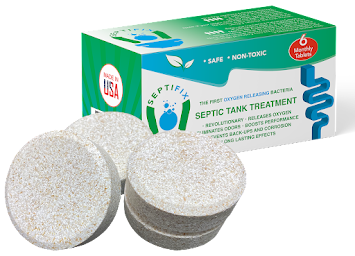
One Tablet Monthly, Less Worry
- Support a healthier tank by boosting aerobic bacteria activity
- Release oxygen to fight the source of hydrogen sulfide smells
- Contains 14 strains of aerobic bacteria to accelerate waste breakdown
Weather conditions play a significant role in how septic system odors are perceived outdoors. Rain can temporarily dilute and disperse odors, providing a reprieve during wet periods. However, heavy rainfall can also lead to soil saturation, which may hinder absorption and lead to a buildup of odors near the surface.
In contrast, dry conditions often exacerbate septic smells. Drought can cause the soil to dry out, reducing its ability to absorb wastewater effectively. This lack of absorption can cause odors to linger longer in the air, making the issue more noticeable for homeowners. It’s essential to recognize these weather-related impacts to determine whether odors are typical or indicative of a deeper problem.
Rain and Drought Effects on Septic Systems
Heavy rainfall can significantly affect septic systems. Waterlogged soil may hinder the absorption of wastewater, leading to surface effluent discharge and unpleasant odors. In some situations, the system may struggle to process the increased volume of water, further exacerbating the issue of odors outdoors.
Conversely, drought conditions present their own challenges. When the ground dries out, it may lead to an increase in soil compaction and reduced permeability. These conditions can cause trapped gases to escape through the system, resulting in strong, unpleasant smells. Homeowners may notice these odors more prominently, prompting them to reassess their septic system’s health and functionality.
Comparing Odors
Septic systems can emit a range of odors, some of which may be completely normal while others warrant concern. A minor, earthy smell from the septic tank is usually typical, particularly after heavy rains or a recent pumping. This can result from the overflow of waste, releasing gases that linger near the tank. Homeowners may notice variations in smell when the system is functioning correctly, with a less pungent scent typically being more acceptable.
However, certain odors signal potential problems with the septic system. A sulfur-like odor or a strong sewage smell indicates that there may be a buildup of gases or a possible backup in the system. In such cases, immediate investigation is crucial to prevent further complications. Distinguishing between normal and problematic odors helps homeowners take appropriate action before issues escalate, ensuring the system remains functional and safe.
Key Differences to Detect Issues Early
Identifying the difference between normal odors and indicative issues is crucial for maintaining a healthy septic system. A typical smell emanating from a septic tank tends to be subtle and earthy, often reminiscent of damp soil or decomposing vegetation. In contrast, a pungent or overwhelming odor, similar to rotten eggs or sulfur, may signal a more serious problem, such as a malfunctioning system or a failure in venting pathways. Recognizing these distinct smells early can help prevent more significant issues that could lead to costly repairs or health hazards.
Another aspect to consider is the frequency and intensity of the odors. Normal smells usually fluctuate with weather changes and daily activity levels, while problematic odors tend to persist and worsen over time. If residents notice a sudden increase in the odor’s intensity or a change in its character, it’s advisable to investigate further. Early detection can facilitate timely intervention, ensuring that preventative measures can be taken before the situation escalates.
Stop Septic Odors In Days
- Break down organic sludge, oils, grease, and toilet paper buildup
- Help cut down how often you need to pump the tank
- Treat the tank from the bottom up as tablets embed into the sludge layer
DIY Solutions for Managing Odors
There are several effective home remedies that can help reduce odors emanating from a septic system. Regularly adding baking soda, which acts as a natural deodorizer, can help neutralize unpleasant smells. Using enzymes or bacterial additives designed for septic systems can also assist in breaking down waste more efficiently, thereby minimizing odors. Another simple method involves covering the area around the septic tank with mulch or plants, which can absorb some of the smell and improve aesthetics.
Maintaining good ventilation is essential in managing odors. Installing exhaust fans in bathrooms can help diminish the accumulation of odors indoors. It is also important to avoid flushing inappropriate items down the toilet, as this can lead to clogs and odor issues. Properly monitoring and managing water usage can prevent overloading the septic system, contributing to both odor control and system longevity. Regular maintenance checks will further ensure that any underlying issues are promptly addressed, helping to keep odors at bay.
Simple Home Remedies to Reduce Smells
Reducing unpleasant odors from a septic system can often be managed through a few simple home remedies. Regularly flushing your system with a combination of water and natural ingredients like baking soda can help neutralize odors. This solution not only minimizes smells but also promotes a healthier bacterial balance in the tank. Another effective method is using vinegar, which can break down organic materials and reduce the foul odors associated with septic systems.
Additionally, incorporating specific enzymes or bacteria into your septic system can aid in controlling odors. These products are designed to enhance the natural decomposition processes, thus alleviating the buildup of gas that contributes to unpleasant smells. Maintaining consistent levels of these additives can lead to a cleaner and more efficient system. Regular monitoring of the system’s overall health, including checking for leaks and ensuring proper ventilation, can also help tackle any potential odor issues before they escalate.
FAQS
What causes septic tank smells outside?
Septic tank smells outside can be caused by a variety of factors, including weather conditions, the breakdown of waste in the tank, or potential issues with the system, such as clogs or leaks.
Is it normal for a septic tank to smell sometimes?
Yes, it is normal for septic tanks to produce some odors, especially during heavy rain or drought conditions. However, if the smell is strong or persistent, it may indicate a problem that needs to be addressed.
How can weather affect septic tank odors?
Weather conditions, such as heavy rain, can lead to odors due to increased groundwater levels affecting the tank, while drought can cause the soil to dry out, reducing its ability to filter odors. Both situations can impact how odors are released from the septic system.
What are the key signs that indicate a problem with my septic system?
Key signs of a problematic septic system include strong, foul odors near the tank or drain field, slow drains, pooling water, or lush vegetation in the drain field area, which may indicate a leak or overflow.
What are some DIY solutions to reduce septic tank odors?
Some simple home remedies to manage septic tank smells include using baking soda or vinegar to neutralize odors, ensuring proper ventilation around the septic area, and maintaining regular septic tank maintenance to prevent issues.
Related Links
septic tank treatment for smell
Septic-Safe Drain Cleaner for Smell: What Works Without Damage
What Not to Flush: The #1 Reason Septic Odors Keep Coming Back
Septic System Odor Troubleshooting: A Simple 10-Minute Checklist
Septic Bacteria for Odor: What to Expect and How Long It Takes
Septic Smell in Basement: Traps, Vents, and Hidden Leak Clues
Septic Smell From Shower Drain: Quick Tests + Safe Fixes
Septic Smell in Laundry Room: Washer Drain, Standpipe, or Septic?
Septic Smell at Night: Why It Gets Worse After Dark (Fixes)
A Cleaner Septic System, Naturally
- Break down organic sludge, oils, grease, and toilet paper buildup
- Support a healthier tank by boosting aerobic bacteria activity
- Support a cleaner, safer yard so family can enjoy the garden again