Diagnosing the Source of the Smell
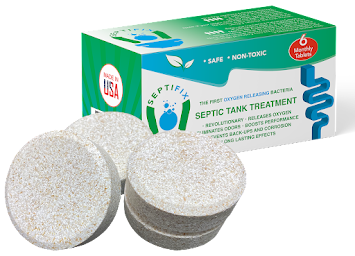
One Tablet Monthly, Less Worry
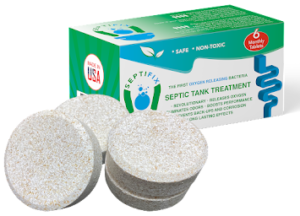
- Support a healthier tank by boosting aerobic bacteria activity
- Release oxygen to fight the source of hydrogen sulfide smells
- Contains 14 strains of aerobic bacteria to accelerate waste breakdown
Identifying the source of a septic smell requires careful observation and assessment of your home’s plumbing system. Begin by checking common trouble areas, such as drains, toilets, and septic tank openings. A faulty wax seal or a damaged drain pipe can allow odors to escape. Pay attention to any unusual occurrences, like slow drains or gurgling noises, which may indicate a blocked sewer line or a full septic tank.
Next, inspect outside areas where your septic system is located. Look for any standing water, soggy patches in the yard, or visible signs of sewage. These can signal a problem with the septic tank or leach field. If odors intensify at night, consider factors such as cooler temperatures causing the smells to be trapped closer to the ground or reduced air circulation in your home. Taking these steps can significantly aid in pinpointing the issue before seeking additional solutions.
Key Signs to Look For
Unpleasant odors in the home can signal underlying issues with the septic system. A strong, acrid smell often indicates a problem with the sewage disposal, such as a potential backup. Homeowners should be vigilant for any unusual odors emanating from sinks, drains, or toilets, particularly at night when smells can become more pronounced. While the presence of gurgling sounds in pipes can also be a warning sign, discovering your toilet bowl empties unexpectedly may suggest a breach in the septic system.
When the yard shows signs of unusual wetness or pooling water, this might indicate a malfunction in the septic system. Grass or plants around the septic area may appear greener or healthier than surrounding foliage, highlighting a possible issue. These symptoms are crucial to address promptly to avoid further complications and costly repairs. Observing how these signs manifest at different times of day can help identify a worsening issue, particularly when the scent becomes more pronounced as dusk falls.
Immediate Remedies for Strong Odors
When faced with persistent septic odors, quick action can help mitigate the issue. One effective remedy involves pouring a mixture of baking soda and vinegar down the drains. This blend works to neutralize odors and can help dissolve minor clogs, alleviating some of the foul smells. Meanwhile, activating a professional-grade enzyme cleaner can break down organic matter within the septic system. These products target the root of the problem, making them an excellent choice for immediate relief.
In addition to these methods, proper ventilation can make a considerable difference. Opening windows or using fans helps circulate fresh air throughout affected areas, reducing the concentration of unpleasant scents. Placing odor-absorbing solutions such as activated charcoal or commercial air fresheners can provide temporary respite as well. While these fixes address the immediate discomfort, longer-term solutions may still be necessary for sustainable odor control.
Tips for Quick Relief
Addressing a strong septic smell requires immediate action to alleviate discomfort. Begin by ensuring that all drains are properly sealed. Gaps in fittings or damaged seals can allow odors to escape. Pouring a mixture of baking soda and vinegar down the drains can neutralize unpleasant scents and help to freshen the air. This simple method often provides quick relief while also promoting healthier plumbing.
Another effective strategy is to ventilate the area as much as possible. Open windows and doors to create a cross-breeze, which can help disperse foul odors. If the smell persists, using an air purifier equipped with a carbon filter can help eliminate airborne contaminants. Consider taking these steps promptly, especially during nighttime when odors tend to intensify.
Stop Septic Odors In Days
- Break down organic sludge, oils, grease, and toilet paper buildup
- Help cut down how often you need to pump the tank
- Treat the tank from the bottom up as tablets embed into the sludge layer
Long-Term Solutions for Septic Care
Implementing regular maintenance routines is crucial for preventing septic odors. Periodic pumping of the septic tank helps manage sludge buildup. Homeowners should schedule pumping every three to five years, depending on usage and tank size. Keeping a close eye on the system’s flow and drainage can highlight early signs of trouble.
Utilizing bacteria-based additives can also promote the breakdown of waste in the tank. These products enhance the natural decomposition process, improving overall efficiency. Avoiding harsh chemicals for cleaning and maintenance is essential, as they can disrupt the bacterial balance within the system. Regular inspections by a qualified professional can ensure the system remains in optimal working condition.
Maintenance Practices to Prevent Odors
Regular maintenance of your septic system is crucial in preventing unpleasant odors from developing. Schedule routine inspections with a professional to ensure all components are functioning properly. Keeping an eye on tank levels can help identify issues before they escalate. Proper drainage around your yard will also prevent water from pooling, which can cause smells to rise from the ground.
In addition, be mindful of what goes down the drain. Avoid flushing non-biodegradable items and limit the use of harsh chemicals that can disrupt the bacterial balance within the system. Utilizing septic-safe products can contribute to a healthier tank environment. Establish a regular pump-out schedule based on your household size and usage to maintain optimal function and reduce the likelihood of odor issues.
FAQS
Why does the septic smell get worse at night?
The septic smell may get worse at night due to lower temperatures, which can cause odors to become more concentrated and stagnant air, along with reduced airflow around the home.
What are some key signs that indicate a septic issue?
Key signs include persistent foul odors near drains or the septic tank, pooling water in the yard, slow drains, and lush patches of grass over the drain field.
What immediate remedies can I use for strong septic odors?
Immediate remedies include pouring baking soda or vinegar down drains, using enzyme-based cleaners to break down waste, and ensuring proper ventilation in your home.
How can I maintain my septic system to prevent odors in the long term?
Long-term maintenance practices include regular pumping of the septic tank, avoiding flushing non-biodegradable items, and conserving water to prevent overload.
When should I call a professional for septic odor issues?
You should call a professional if the odors persist despite your efforts, if you notice significant structural issues, or if you see signs of septic system failure, such as sewage backups.
Related Links
septic tank treatment for smell
Septic-Safe Drain Cleaner for Smell: What Works Without Damage
What Not to Flush: The #1 Reason Septic Odors Keep Coming Back
Septic System Odor Troubleshooting: A Simple 10-Minute Checklist
Septic Bacteria for Odor: What to Expect and How Long It Takes
Septic Smell in Basement: Traps, Vents, and Hidden Leak Clues
Septic Tank Smell Outside: When It’s Normal vs a Warning Sign
Septic Smell From Shower Drain: Quick Tests + Safe Fixes
Septic Smell in Laundry Room: Washer Drain, Standpipe, or Septic?
A Cleaner Septic System, Naturally
- Break down organic sludge, oils, grease, and toilet paper buildup
- Support a healthier tank by boosting aerobic bacteria activity
- Support a cleaner, safer yard so family can enjoy the garden again