Temporary Fixes for Sewer Smells
One Tablet Monthly, Less Worry
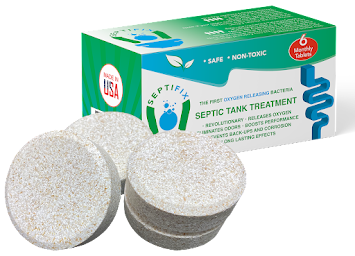
- Support a healthier tank by boosting aerobic bacteria activity
- Release oxygen to fight the source of hydrogen sulfide smells
- Contains 14 strains of aerobic bacteria to accelerate waste breakdown
A quick and effective way to address unpleasant odors emanating from the shower drain is by pouring hot water down the drain. This method can help dissolve any accumulated soap scum or grime that may be contributing to the smell. Regular maintenance, such as flushing the drain with hot water once a week, can further prevent build-up.
Another useful technique involves using a mixture of baking soda and vinegar. Pouring half a cup of baking soda followed by half a cup of vinegar into the drain allows the two ingredients to react, creating a bubbling effect. This reaction can help dislodge clogs and neutralize odors. After about 15 minutes, flushing the drain again with hot water will ensure any remnants are washed away.
Short-Term Solutions You Can Implement
One effective method to quickly neutralize unpleasant odors is to pour a solution of equal parts baking soda and vinegar down the drain. The chemical reaction between these two ingredients creates bubbles, helping to dislodge debris that may be contributing to the foul smell. Let the mixture sit for about 15 minutes before flushing with hot water. This quick fix often provides immediate relief and can improve overall drain function.
Using a wet vacuum can also be helpful if you suspect a buildup of hair or soap scum is causing the issue. Carefully attach the vacuum to the drain and create a seal to prevent any air from escaping. This suction can effectively remove blockages while also pulling away odors clinging to the pipe’s interior. Regularly maintaining your shower drain in this manner can serve as a short-term safeguard against recurring smells.
Long-Term Solutions for Odor Control
Odor problems related to shower drains can often be mitigated through consistent maintenance and proper upgrades. Regularly cleaning the drain and ensuring that it is free of hair, soap residue, and other debris contributes significantly to long-term odor control. Using a mixture of baking soda and vinegar can help break down buildup and keep the drain fresh. Additionally, investing in a drain strainer can prevent debris from entering the pipes, reducing the risk of blockages and unpleasant smells.
Consider upgrading to a modern trap or vent system if odors persist despite maintenance. These systems improve airflow within the plumbing, which helps prevent sewer gases from escaping into living spaces. Routine inspections of plumbing can also identify potential issues before they develop into more significant problems. Regular checks can detect signs of leaks or corrosion, ensuring that plumbing remains in good condition and reducing the likelihood of odor recurrence.
Upgrades and Maintenance Tips
Regularly checking and cleaning your shower drain can prevent unpleasant odors from becoming a problem. Remove hair, soap scum, and any debris that may accumulate over time. A monthly cleaning routine with a mixture of baking soda and vinegar helps break down buildup and keeps the drain flowing freely. This simple process can also mitigate odor issues before they escalate.
Upgrading to a drain cover with a finer mesh can enhance the efficiency of catchment. This not only reduces clogs but also minimizes organic matter that may decompose and cause smells. Additionally, consider installing a vent if your system lacks proper ventilation. Adequate airflow alleviates pressure and allows for efficient drainage, which can significantly decrease odor problems in the long run.
Stop Septic Odors In Days
- Break down organic sludge, oils, grease, and toilet paper buildup
- Help cut down how often you need to pump the tank
- Treat the tank from the bottom up as tablets embed into the sludge layer
When to Call a Professional
If you notice persistent odors despite your best efforts to eliminate them, it may indicate a deeper issue within your plumbing system. Recurring smells often suggest an issue with the drains or sewer line that simple fixes cannot remedy. Additionally, gurgling sounds from your pipes or visible leaks around your fixtures can hint at significant problems that require professional attention.
Another warning sign is when you detect an unusual increase in your water bill. This can indicate hidden leaks, which, if left unresolved, could lead to water damage or structural issues in your home. Ignoring these signs may result in more costly repairs down the line. Contacting a professional ensures a thorough evaluation and appropriate solutions to tackle the underlying problems effectively.
Signs That Indicate a Serious Issue
Unpleasant odors from your shower drain can sometimes point to more serious plumbing problems. If the smell persists despite your best efforts to eliminate it, this may indicate a blockage in the drainage system or a failing sewer line. Additionally, water pooling around the drain or slow drainage are signs to watch for, as these issues can further compound the odor problem and lead to more extensive damage if left unaddressed.
Other indicators that a professional should be called include visible leaks or cracks in the plumbing fixtures. Such structural issues can allow sewer gases to escape into your home, posing health risks and requiring immediate attention. If you notice gurgling noises from the drain while using other fixtures in the house, this could signal a significant blockage in the plumbing system that needs expert intervention.
FAQS
What causes a septic smell from my shower drain?
A septic smell from your shower drain can be caused by several issues, including dry traps, sewer line blockages, or buildup of bacteria and debris in the pipes.
How can I temporarily eliminate the odor from my shower drain?
Short-term solutions include pouring hot water down the drain, using a mixture of vinegar and baking soda, or running the shower for a few minutes to rehydrate the trap.
What are some long-term solutions for preventing odors from my shower drain?
Long-term solutions include regular maintenance like cleaning the drain and trap, installing a drain screen to catch debris, and ensuring proper ventilation in the bathroom.
How can I tell if I need to call a professional for my shower drain issue?
Signs that indicate a serious issue include persistent odors despite DIY fixes, slow drainage, gurgling sounds from the drain, or recurring clogs.
Are there upgrades I can make to prevent septic smells in the future?
Yes, upgrades can include installing an air gap or vent pipe to improve drainage and airflow, using a more effective drain cover, and replacing old plumbing with modern, odor-resistant materials.
Related Links
septic tank treatment for smell
Septic-Safe Drain Cleaner for Smell: What Works Without Damage
What Not to Flush: The #1 Reason Septic Odors Keep Coming Back
Septic System Odor Troubleshooting: A Simple 10-Minute Checklist
Septic Bacteria for Odor: What to Expect and How Long It Takes
Septic Smell in Basement: Traps, Vents, and Hidden Leak Clues
Septic Tank Smell Outside: When It’s Normal vs a Warning Sign
Septic Smell in Laundry Room: Washer Drain, Standpipe, or Septic?
Septic Smell at Night: Why It Gets Worse After Dark (Fixes)
A Cleaner Septic System, Naturally
- Break down organic sludge, oils, grease, and toilet paper buildup
- Support a healthier tank by boosting aerobic bacteria activity
- Support a cleaner, safer yard so family can enjoy the garden again