Plumbing Ventilation and Odors
One Tablet Monthly, Less Worry
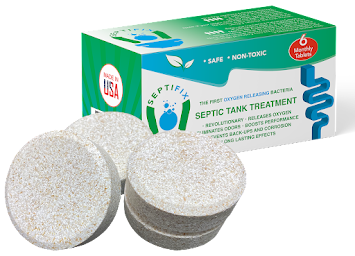
- Support a healthier tank by boosting aerobic bacteria activity
- Release oxygen to fight the source of hydrogen sulfide smells
- Contains 14 strains of aerobic bacteria to accelerate waste breakdown
Effective plumbing ventilation is essential for maintaining a fresh and odor-free environment in any household. A properly designed ventilation system allows sewer gases to escape outside, preventing them from building up in areas such as the laundry room. When ventilation is compromised, unpleasant odors may emerge, signaling potential issues with the plumbing.
Issues like clogs in the vent stack or a malfunctioning vent pipe can lead to stagnation of air, which may trap odors within the home. Even minor blockages can cause major disruptions, allowing foul-smelling gases to infiltrate living spaces. Regular maintenance and inspection of the plumbing ventilation system can help mitigate these issues and keep the air fresh throughout the household.
Importance of Proper Venting
Proper ventilation in plumbing systems plays a critical role in preventing unpleasant odors, including the septic smell that can permeate laundry rooms. Effective venting allows gases to escape and prevents the buildup of foul odors in enclosed spaces. Without adequate ventilation, stagnant air can exacerbate the situation, creating an environment where smells can linger and cause discomfort.
Moreover, proper venting helps maintain the functional integrity of the plumbing system. It ensures that fixtures drain correctly and reduces the likelihood of pressure imbalances, which can trap sewer gases within the home. Regular checks of the venting system can aid in identifying potential blockages or issues that may lead to unpleasant odors, ultimately promoting a cleaner and more efficient laundry area.
Common Remedies for Odors
One effective remedy for unpleasant odors in the laundry room involves regular cleaning of the washing machine and its components. Begin by running a hot water cycle with a cup of white vinegar or baking soda. This not only removes buildup but also neutralizes odors caused by mildew or stagnant water. Additionally, it’s vital to keep the door of the washer open between uses to allow for air circulation. This simple step helps reduce moisture buildup, which can lead to more significant odor issues.
Another approach to mitigate odors is ensuring all plumbing components are functioning properly. Check the standpipe for clogs or dried-out traps, as these can contribute significantly to the smell. Cleaning or replacing the trap can often alleviate the problem. Utilizing odor-eliminating products designed for plumbing systems can also help. Applying these products periodically ensures that any lingering smells are effectively addressed. Regular maintenance keeps the laundry area smelling fresh and clean.
Solutions for a Fresh Laundry Room
Maintaining a fresh atmosphere in the laundry room often begins with simple cleaning routines. Regularly clearing lint traps and washing machine filters can prevent odors from accumulating. It is also beneficial to clean the drum of the washer using a mixture of vinegar and baking soda. This natural solution not only removes buildup but also neutralizes unpleasant smells. Ensuring that the standpipe is properly sealed helps prevent sewer gases from entering your space.
Ventilation plays a significant role in keeping the laundry area odor-free. Opening windows or using exhaust fans can help disperse any lingering odors. If possible, invest in a dehumidifier, as dampness contributes to mildew and mold growth, which can emit foul smells. Regular checks of the plumbing system for leaks or clogs can also minimize issues before they escalate. These proactive measures create a cleaner environment, free from unwanted scents.
Stop Septic Odors In Days
- Break down organic sludge, oils, grease, and toilet paper buildup
- Help cut down how often you need to pump the tank
- Treat the tank from the bottom up as tablets embed into the sludge layer
When to Call a Professional
Persistent odors in the laundry room may indicate underlying plumbing issues. If home remedies fail to alleviate the septic smell, it is wise to seek professional assistance. A plumber can assess the situation and identify potential problems, such as blockages or improper venting. These issues require specialized tools and expertise for effective resolution.
Additionally, if you notice increased frequency of clogs or water backups, it’s a sign that the problem may be more serious than initially thought. A knowledgeable technician can perform a thorough evaluation of your drainage system. Addressing these concerns promptly can help prevent further damage to your plumbing and ensure a healthy home environment.
Signs That Require Expert Help
Persistent odors in the laundry room can indicate a more complex problem that requires professional attention. If attempts to remedy the smell through cleaning or ventilating have failed, it may be time to consult an expert. An unusual or particularly strong odor often suggests a blockage or malfunction in the plumbing system, which can lead to more significant issues if left unaddressed.
Frequent backups in the washer drain or noticeable changes in the flow of water can also signal the need for professional inspection. If you notice gurgling sounds or standing water around the standpipe, these signs may point to a venting issue or a damaged sewer line. Timely intervention by a plumbing professional can help prevent further damage and ensure a healthy environment in your laundry space.
FAQS
What causes a septic smell in my laundry room?
A septic smell in your laundry room can be caused by issues with the washer drain, a blocked standpipe, or problems with your septic system. It’s important to identify the source to address the issue effectively.
How can I tell if the smell is coming from the washer drain or the standpipe?
You can check the washer drain by inspecting for clogs, leaks, or standing water. For the standpipe, look for signs of backup or slow draining. Additionally, running a load of laundry and monitoring the smell can help pinpoint the source.
What are some common remedies for eliminating odors in the laundry room?
Common remedies include cleaning the washer with vinegar, checking and cleaning the standpipe, using baking soda to neutralize odors, and ensuring proper ventilation in the laundry room.
When should I consider calling a professional for help with septic smells?
You should call a professional if the odor persists despite your efforts, if you notice plumbing backups, or if there are signs of more serious issues, such as sewage backups or extensive water damage.
How can proper plumbing ventilation prevent odors in my laundry room?
Proper plumbing ventilation allows sewer gases to escape and helps maintain appropriate pressure in the drainage system. This can prevent odors from entering your laundry room and improve overall air quality.
Related Links
septic tank treatment for smell
Septic-Safe Drain Cleaner for Smell: What Works Without Damage
What Not to Flush: The #1 Reason Septic Odors Keep Coming Back
Septic System Odor Troubleshooting: A Simple 10-Minute Checklist
Septic Bacteria for Odor: What to Expect and How Long It Takes
Septic Smell in Basement: Traps, Vents, and Hidden Leak Clues
Septic Tank Smell Outside: When It’s Normal vs a Warning Sign
Septic Smell From Shower Drain: Quick Tests + Safe Fixes
Septic Smell at Night: Why It Gets Worse After Dark (Fixes)
A Cleaner Septic System, Naturally
- Break down organic sludge, oils, grease, and toilet paper buildup
- Support a healthier tank by boosting aerobic bacteria activity
- Support a cleaner, safer yard so family can enjoy the garden again