Tips for Preventing Drain Odors
One Tablet Monthly, Less Worry
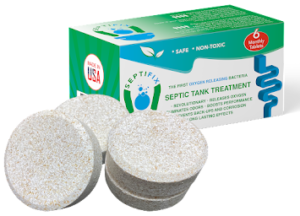
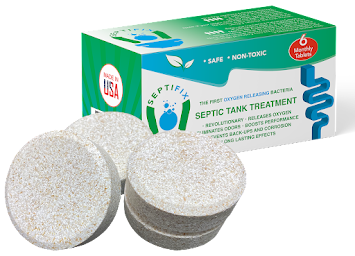
- Support a healthier tank by boosting aerobic bacteria activity
- Release oxygen to fight the source of hydrogen sulfide smells
- Contains 14 strains of aerobic bacteria to accelerate waste breakdown
Proper maintenance plays a crucial role in preventing unpleasant odors from drains. Regularly cleaning the sink and the area around it can help eliminate food particles and grease buildup. Using hot water periodically helps flush away any residues that may contribute to smells. Additionally, investing in drain screens can capture debris, reducing the risk of clogs that often lead to odors.
Another effective strategy is to develop a routine for deep cleaning your drains. Pouring a mixture of baking soda followed by vinegar can help break down organic matter. This natural solution not only cleans but also neutralizes odors effectively. Keeping the draining area dry when not in use further minimizes the environment conducive to unpleasant smells and helps maintain freshness.
Best Practices for Drain Maintenance
Keeping drains in optimal condition requires routine attention and specific habits. Regularly removing hair, grease, and debris can prevent clogs. Using drain screens can catch solid particles before they enter the plumbing system. Pouring boiling water down the drain occasionally helps dissolve potential build-up. This straightforward practice can maintain a clear pathway for water flow.
Maintaining a schedule for periodic inspections can also identify potential issues early. Inspecting for leaks or signs of wear can prevent larger problems down the road. Consider using safe, natural cleaners rather than harsh chemicals. This not only helps maintain the health of your plumbing but also supports the well-being of a septic system. Adopting these habits can ensure that drains remain functional and odor-free.
How Drain Cleaners Affect Septic Health
The choice of drain cleaner can significantly impact the health of a septic system. Chemical drain cleaners often contain harsh ingredients that can disrupt the delicate balance of bacteria essential for breaking down waste in septic tanks. These chemicals may kill beneficial microorganisms, leading to clogs and backups over time. Additionally, they can create a toxic environment for soil and water ecosystems when they leach into the surrounding ground.
In contrast, biological drain cleaners use enzymes and natural bacteria to facilitate the breakdown of organic matter. These products are generally safer for septic systems since they work in harmony with the existing bacterial populations, promoting effective waste decomposition. Regular use of biological cleaners can support the longevity of a septic system while minimizing odors without introducing harmful chemicals.
Chemical vs. Biological Cleaners
Chemical drain cleaners typically rely on strong substances such as lye or sulfuric acid to dissolve clogs and eliminate odors. While they offer quick results, these harsh ingredients can disrupt the delicate balance of bacteria essential to septic systems. Over time, the cumulative impact may lead to reduced efficiency in waste breakdown, contributing to larger plumbing issues or system failure. Homeowners should weigh the short-term benefits of using such products against the potential long-term damage to their septic health.
Biological cleaners, on the other hand, utilize natural enzymes and bacteria to break down organic materials without harming the septic system. These products work gradually yet effectively, promoting the reproduction of beneficial microorganisms that support waste digestion. They can help prevent future clogs and mitigate odors while maintaining the ecosystem within the septic tank. As a safer alternative for both plumbing and the environment, biological cleaners are gaining popularity among homeowners seeking effective solutions without the risks associated with harsh chemicals.
Stop Septic Odors In Days
- Break down organic sludge, oils, grease, and toilet paper buildup
- Help cut down how often you need to pump the tank
- Treat the tank from the bottom up as tablets embed into the sludge layer
Environmentally Friendly Alternatives
Choosing environmentally friendly alternatives for drain cleaning can significantly reduce harmful chemical exposure. Baking soda and vinegar create a natural reaction that helps dislodge clogs while neutralizing odors. This combination is easy to find in most households and offers a simple yet effective solution for maintaining clean drains.
Another option is using enzyme-based cleaners. These products contain bacteria that break down organic matter, making them a long-lasting solution for drain maintenance. They are safe for septic systems and help in preserving the natural balance of beneficial bacteria in waste systems. Utilizing these alternatives can effectively address odors without jeopardizing the health of septic systems or the surrounding environment.
Eco-Conscious Choices for Cleaning
Many people are becoming more aware of the environmental impact of traditional cleaning products. Using eco-friendly cleaners not only helps maintain a healthy home but also protects the delicate balance of septic systems. Ingredients like vinegar, baking soda, and lemon juice are excellent natural alternatives. These options effectively tackle odors and buildup without introducing harsh chemicals that can harm beneficial bacteria in septic tanks.
Another approach is to consider cleaners made from plant-based ingredients. These formulations are designed to be tough on grime while being gentle on the environment. Products labeled as biodegradable or safe for septic systems are excellent choices. By selecting these eco-conscious options, homeowners can ensure their cleaning routines contribute to a healthier ecosystem both inside and outside the home.
FAQS
What is a septic-safe drain cleaner?
A septic-safe drain cleaner is a cleaning product specifically formulated to be gentle on septic systems, avoiding harmful chemicals that can disrupt the balance of beneficial bacteria essential for breaking down waste.
How can I prevent drain odors in my home?
To prevent drain odors, practice regular maintenance by cleaning your drains, using strainers to catch debris, and flushing your drains with hot water and baking soda periodically.
Are chemical drain cleaners safe for septic systems?
Many chemical drain cleaners can harm septic systems by killing the beneficial bacteria needed for proper waste breakdown. It’s best to opt for septic-safe or biological cleaners instead.
What are some environmentally friendly alternatives to traditional drain cleaners?
Environmentally friendly alternatives include baking soda and vinegar, enzyme-based cleaners, or commercial products labeled as eco-friendly and septic-safe.
How often should I maintain my drains to prevent odors?
Regular maintenance, such as cleaning drains once a month and performing deeper cleaning every few months, can help prevent odors and clogs in your plumbing system.
Related Links
septic tank treatment for smell
What Not to Flush: The #1 Reason Septic Odors Keep Coming Back
Septic System Odor Troubleshooting: A Simple 10-Minute Checklist
Septic Bacteria for Odor: What to Expect and How Long It Takes
Septic Smell in Basement: Traps, Vents, and Hidden Leak Clues
Septic Tank Smell Outside: When It’s Normal vs a Warning Sign
Septic Smell From Shower Drain: Quick Tests + Safe Fixes
Septic Smell in Laundry Room: Washer Drain, Standpipe, or Septic?
Septic Smell at Night: Why It Gets Worse After Dark (Fixes)
A Cleaner Septic System, Naturally
- Break down organic sludge, oils, grease, and toilet paper buildup
- Support a healthier tank by boosting aerobic bacteria activity
- Support a cleaner, safer yard so family can enjoy the garden again