How to Properly Dispose of Household Waste
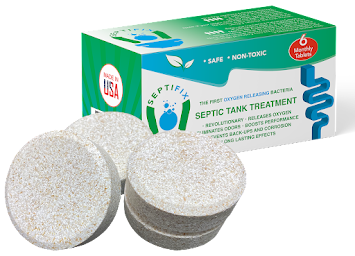
One Tablet Monthly, Less Worry
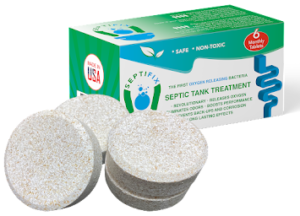
- Support a healthier tank by boosting aerobic bacteria activity
- Release oxygen to fight the source of hydrogen sulfide smells
- Contains 14 strains of aerobic bacteria to accelerate waste breakdown
Flushing inappropriate items down the toilet can lead to significant issues with your plumbing and septic system. Common household waste, such as paper towels, feminine hygiene products, and food scraps, should never be flushed. These items do not break down like toilet paper and can cause blockages, leading to unpleasant odors and costly repairs. Instead, it is important to use trash bins or composting solutions to responsibly dispose of such materials.
Proper disposal methods extend beyond what goes into the toilet. Many household chemicals, such as paints, solvents, and certain medications, should be taken to designated disposal sites or programs. Communities often have specific guidelines for disposing of hazardous waste. Educating family members, especially children, about what can and cannot be flushed is crucial in preventing future plumbing problems. Taking the time to follow these guidelines can save headaches and enhance the longevity of your septic system.
Safe Alternatives to Flushing
Using the trash can for disposal is an effective way to manage items that shouldn’t enter your plumbing. This includes hygiene products, wipes, and other non-biodegradable materials. By placing these items in the trash, you reduce the risk of clogs and protect the integrity of your septic system. Consider providing suitable receptacles in bathrooms and common areas to encourage proper disposal practices among family members.
Composting is another environmentally friendly option for certain organic waste. Leftover food scraps, garden waste, and even some paper products can be composted instead of flushed away. This method not only minimizes the strain on your plumbing but also benefits the garden by nourishing the soil. Transitioning to these alternatives can contribute significantly to maintaining a healthy and odor-free septic system.
Regular Maintenance for a Healthy Septic System
Ensuring the well-being of a septic system relies heavily on consistent maintenance practices. Regular inspections play a crucial role in identifying potential issues before they escalate. Homeowners should schedule these assessments at least every three years, though more frequent checks may be necessary for systems that experience heavy usage. An early intervention can save money and prevent headaches associated with major septic failures.
Another essential aspect of maintenance involves pumping the tank at appropriate intervals. Typically, this service is recommended every three to five years, depending on the household size and water usage. Failing to pump the tank on schedule can lead to sludge buildup, ultimately causing backups and odors. By adhering to these guidelines, homeowners can help maintain a healthy septic system, promoting longevity and efficiency.
Importance of Scheduled Pumping and Inspections
Regular pumping and inspections play a crucial role in maintaining a healthy septic system. Over time, solids accumulate in the tank, which can lead to clogs and backups. Scheduled pumping ensures that these solids are efficiently removed before they cause significant issues. By adhering to a routine maintenance schedule, homeowners can extend the life of their system and save on costly repairs.
Periodic inspections help identify potential problems early on, such as leaks or structural issues. Trained professionals can assess the condition of the system, providing insights into its overall functionality. Addressing minor issues promptly can prevent them from escalating into major failures. Routine maintenance not only protects the home environment but also contributes to the longevity of the septic system.
Stop Septic Odors In Days
- Break down organic sludge, oils, grease, and toilet paper buildup
- Help cut down how often you need to pump the tank
- Treat the tank from the bottom up as tablets embed into the sludge layer
Tips for Preventing Odors in Your Home
Maintaining a fresh atmosphere in your home often starts with strategic ventilation. Open windows whenever possible to let in fresh air. This simple action can help disperse any lingering odors and improve overall air quality. Using exhaust fans in kitchens and bathrooms can further enhance airflow, particularly in areas prone to moisture and odors. Remember that stagnant air can lead to unpleasant smells, making consistent ventilation essential for a more pleasant living environment.
In addition to proper ventilation, incorporating odor-absorbing materials can be quite effective. Activated charcoal bags or baking soda placed in key areas can neutralize unwanted smells, providing a natural solution to freshen the air. Regularly cleaning high-traffic areas and utilizing air purifiers can also help maintain a healthy ambiance. Establishing a routine for tidying up can significantly reduce any buildup that contributes to foul odors.
Enhancing Ventilation in Key Areas
Good ventilation is essential in minimizing odors that may arise from plumbing systems. Areas such as bathrooms and laundry rooms typically trap moisture and unpleasant smells, creating a breeding ground for odor issues. Introducing exhaust fans can significantly improve air circulation, helping to eliminate stale air and prevent musty odors from settling. Open windows and doors whenever possible to allow fresh air to flow through, which can also contribute to a more pleasant atmosphere.
In addition to mechanical ventilation, utilizing air purifiers equipped with HEPA filters can enhance air quality. These devices capture airborne particles, reducing the potential for lingering smells related to septic issues. Regularly checking and cleaning vents, ducts, and exhaust systems can ensure they remain unobstructed, allowing for maximum airflow. Implementing these strategies not only helps combat odors but also promotes a healthier home environment overall.
FAQS
What items should never be flushed down the toilet?
Items like paper towels, feminine hygiene products, dental floss, wipes (even those labeled as flushable), and food scraps should never be flushed, as they can clog the septic system and cause odors.
How can I properly dispose of household waste?
Household waste can be disposed of in designated trash bins. For items that can’t go in the trash, such as chemicals and electronics, check for local hazardous waste disposal facilities or events.
What are some safe alternatives to flushing?
Alternatives include using the trash for waste items, composting biodegradable materials, and utilizing recycling programs for applicable products.
Why is regular maintenance important for a septic system?
Regular maintenance, including scheduled pumping and inspections, is crucial for preventing backups, ensuring the system operates efficiently, and avoiding unpleasant odors.
How can I enhance ventilation in my home to prevent odors?
To enhance ventilation, open windows and doors when possible, use exhaust fans in bathrooms and kitchens, and consider installing vents or air purifiers to improve air circulation.
Related Links
septic tank treatment for smell
Septic-Safe Drain Cleaner for Smell: What Works Without Damage
Septic System Odor Troubleshooting: A Simple 10-Minute Checklist
Septic Bacteria for Odor: What to Expect and How Long It Takes
Septic Smell in Basement: Traps, Vents, and Hidden Leak Clues
Septic Tank Smell Outside: When It’s Normal vs a Warning Sign
Septic Smell From Shower Drain: Quick Tests + Safe Fixes
Septic Smell in Laundry Room: Washer Drain, Standpipe, or Septic?
Septic Smell at Night: Why It Gets Worse After Dark (Fixes)
A Cleaner Septic System, Naturally
- Break down organic sludge, oils, grease, and toilet paper buildup
- Support a healthier tank by boosting aerobic bacteria activity
- Support a cleaner, safer yard so family can enjoy the garden again